Ratlines
2026
Zwischen 1945 und den frühen 1950er-Jahren entstand in Europa ein Netz konspirativer Fluchtrouten, das später als „Ratlines“ bezeichnet wurde. Entlang dieser Wege flohen Nationalsozialisten, Kollaborateure und Kriegsverbrecher aus Deutschland und Österreich über Südtirol und Italien bis nach Genua. Von dort aus setzten sie ihre Flucht häufig nach Südamerika, in den Nahen Osten oder nach Nordamerika fort.Eine zentrale Rolle spielten dabei katholische Institutionen, Klöster und kirchliche Hilfsnetzwerke. Unterstützt wurden diese Fluchten zudem durch Verbindungen zum Roten Kreuz, kirchliche Hilfsorganisationen sowie antikommunistische Netzwerke der unmittelbaren Nachkriegszeit. Teile dieser Strukturen waren den westlichen Alliierten bereits früh bekannt, wurden jedoch im Kontext des beginnenden Kalten Krieges nur selten konsequent unterbunden.Jannik Härter und Charlotte Burkhardt folgen einer möglichen dieser Routen: vom Tegernsee über Innsbruck, den Brennerpass, Sterzing, Meran und Bozen bis nach Trient und weiter durch die norditalienische Landschaft in Richtung Genua. Ausgangspunkt ihrer Arbeit ist die Frage, wie sich politische Ideologien, religiöse Strukturen und historische Spuren in Landschaften, Architektur und kollektives Gedächtnis einschreiben.Im Mittelpunkt des Projekts stehen Orte, die als temporäre Unterkünfte oder Durchgangsstationen der Ratlines dienten: Klöster, Kapuzinerkonvente, Gasthäuser, Alpenpässe und Grenzregionen. Die Fotografien untersuchen diese Topografien und das enge Verhältnis zwischen katholischer Präsenz, alpiner Landschaft und den kulturellen Übergängen zwischen Deutschland, Österreich und Italien – insbesondere in Südtirol.Antrieb war nicht die historische Rekonstruktion, sondern eine fotografische Annäherung an ein verborgenes Netzwerk europäischer Nachkriegsgeschichte. Die Bilder untersuchen, wie sich Ideologie und Erinnerung in Landschaften sedimentieren und wie Orte, die heute alltäglich erscheinen, Teil einer weitgehend unsichtbaren Infrastruktur politischer Flucht waren.Between 1945 and the early 1950s, a network of clandestine escape routes emerged across Europe that later became known as the “Ratlines.” Along these routes, National Socialists, collaborators, war criminals, and other anti-communist fugitives fled from Germany and Austria through South Tyrol and Italy to the port of Genoa, from where they continued on to South America, the Middle East, or North America.
Catholic institutions, monasteries, and ecclesiastical aid networks played a central role in these operations.These escapes were facilitated through connections to the Red Cross, church relief organizations, and anti-communist networks of the immediate postwar period.Western Allied intelligence services were aware of parts of these structures at an early stage, yet largely refrained from intervention within the context of the emerging Cold War.
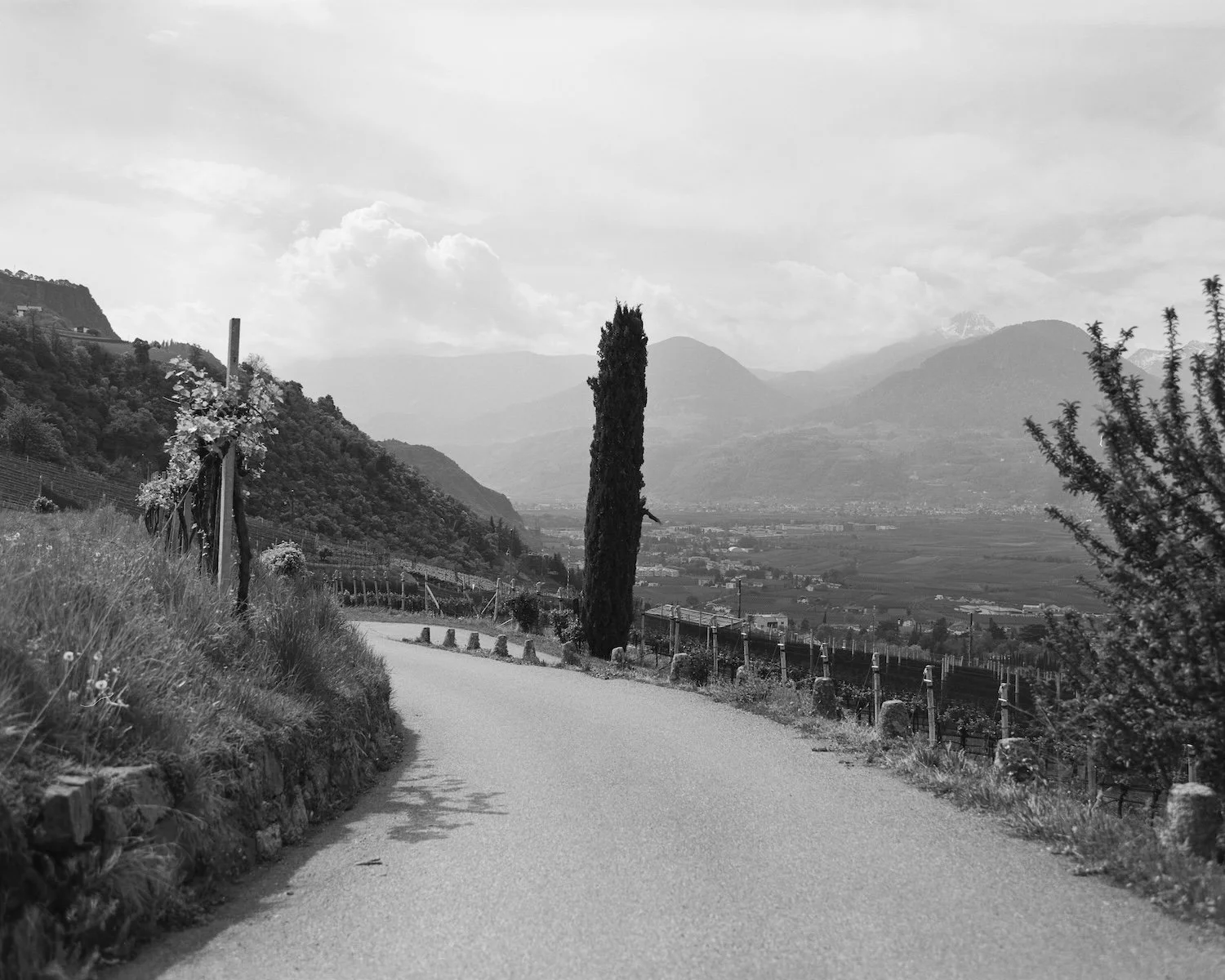
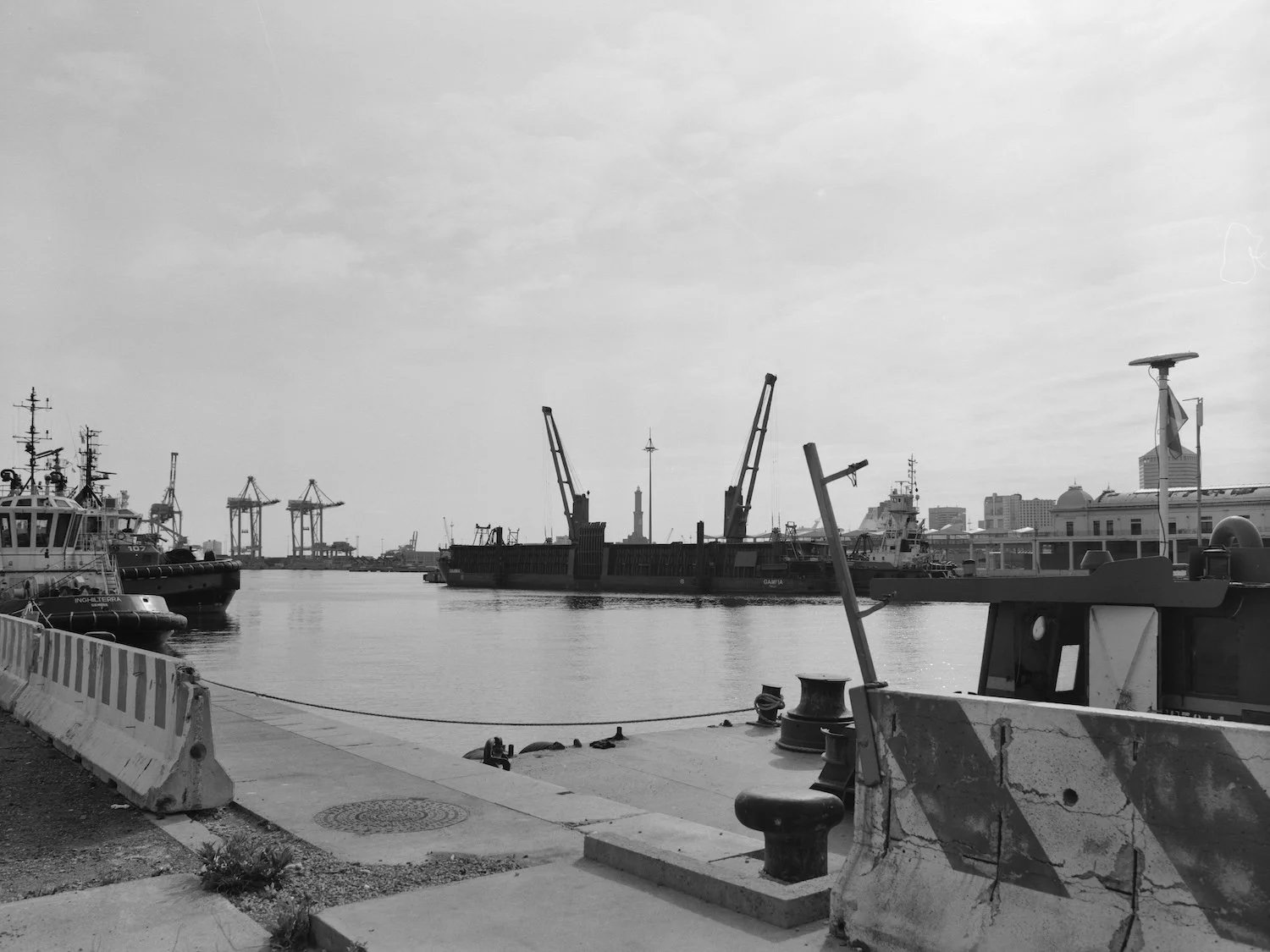
Jannik Härter and Charlotte Burkhardt followed one possible route of these escape movements: from Tegernsee through Innsbruck, the Brenner Pass, Sterzing, Merano and Bolzano to Trento, continuing through the northern Italian landscape toward Genoa. The work begins with the question of how political ideologies, religious structures, and historical traces become inscribed into landscapes, architecture, and collective memory.
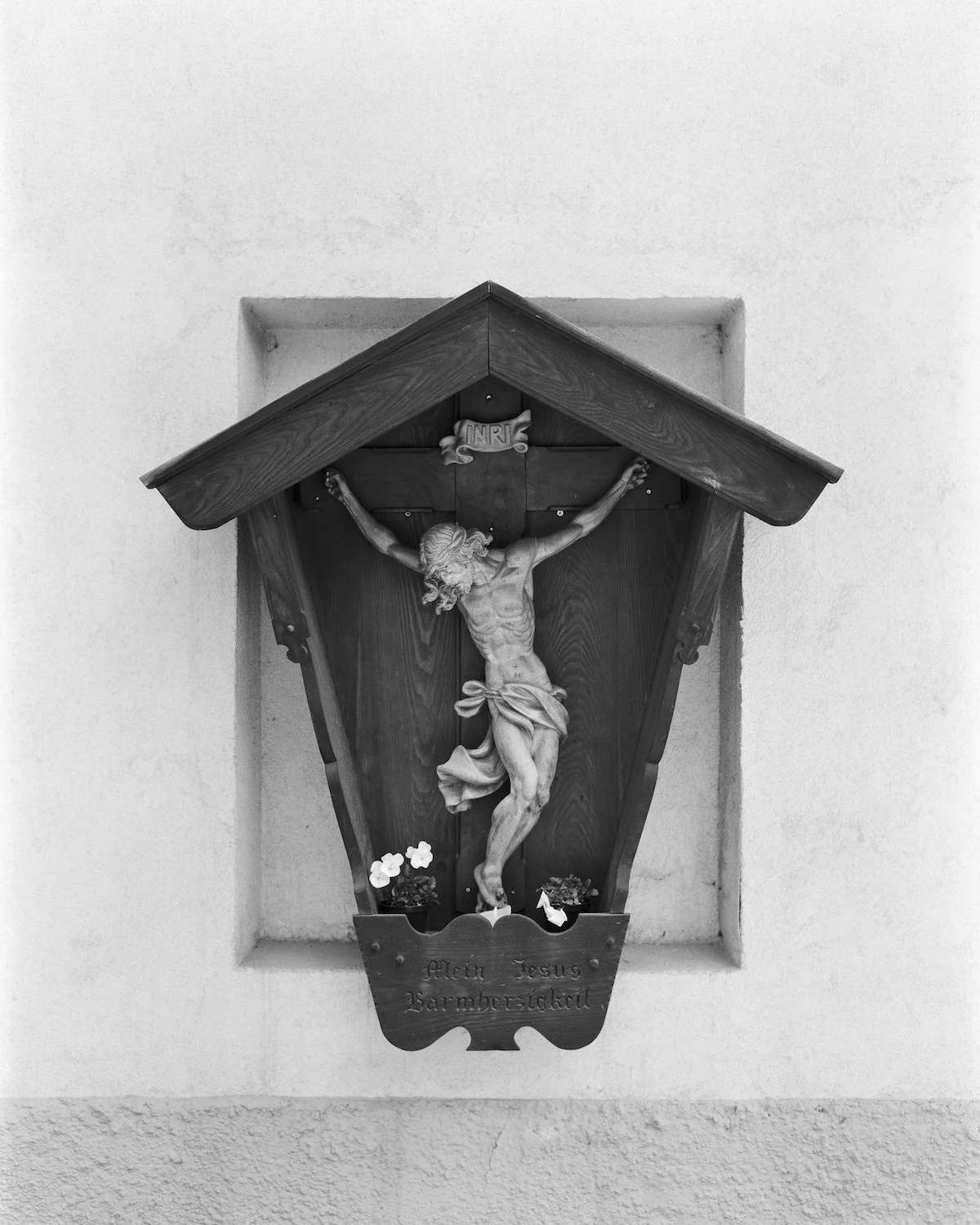
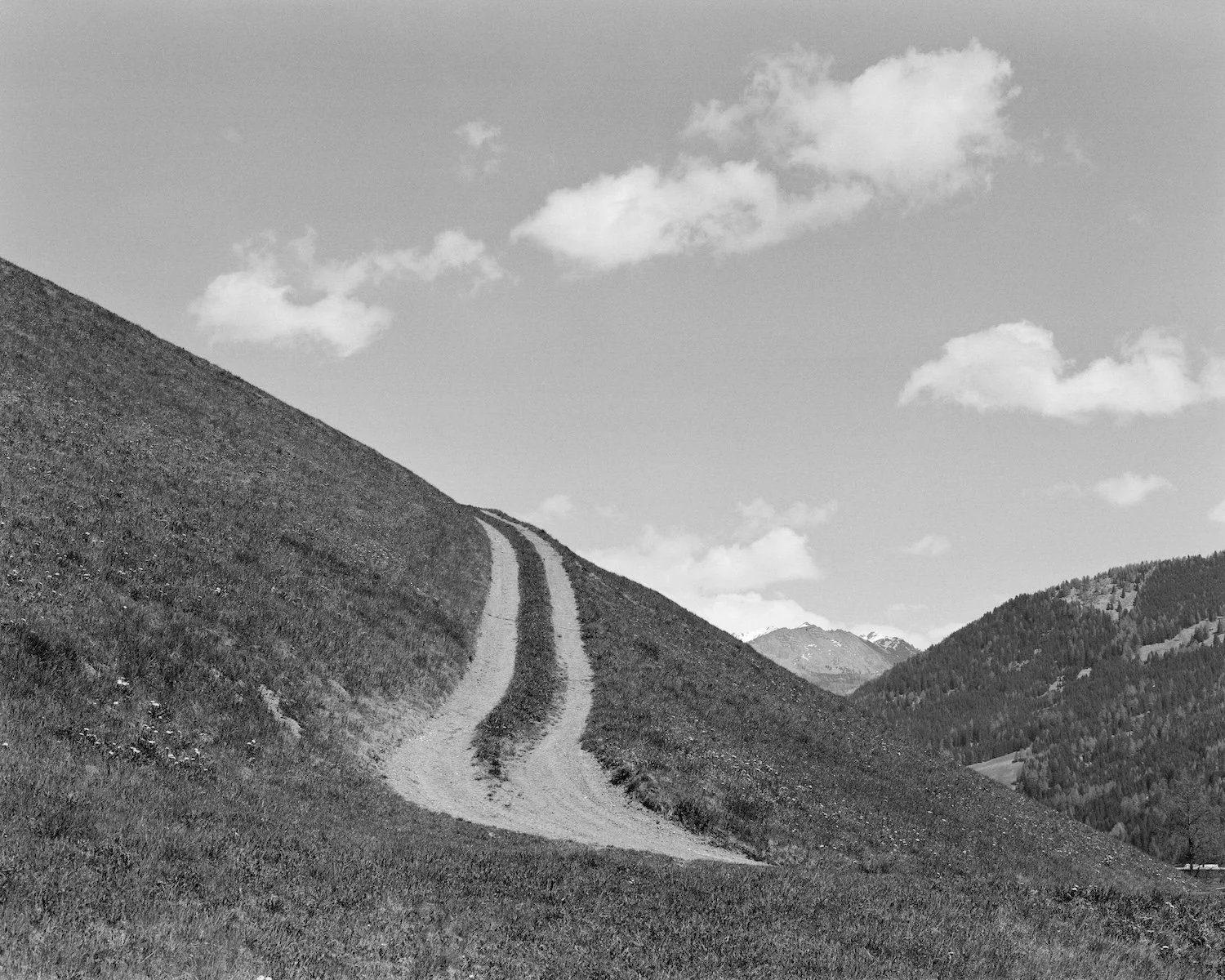
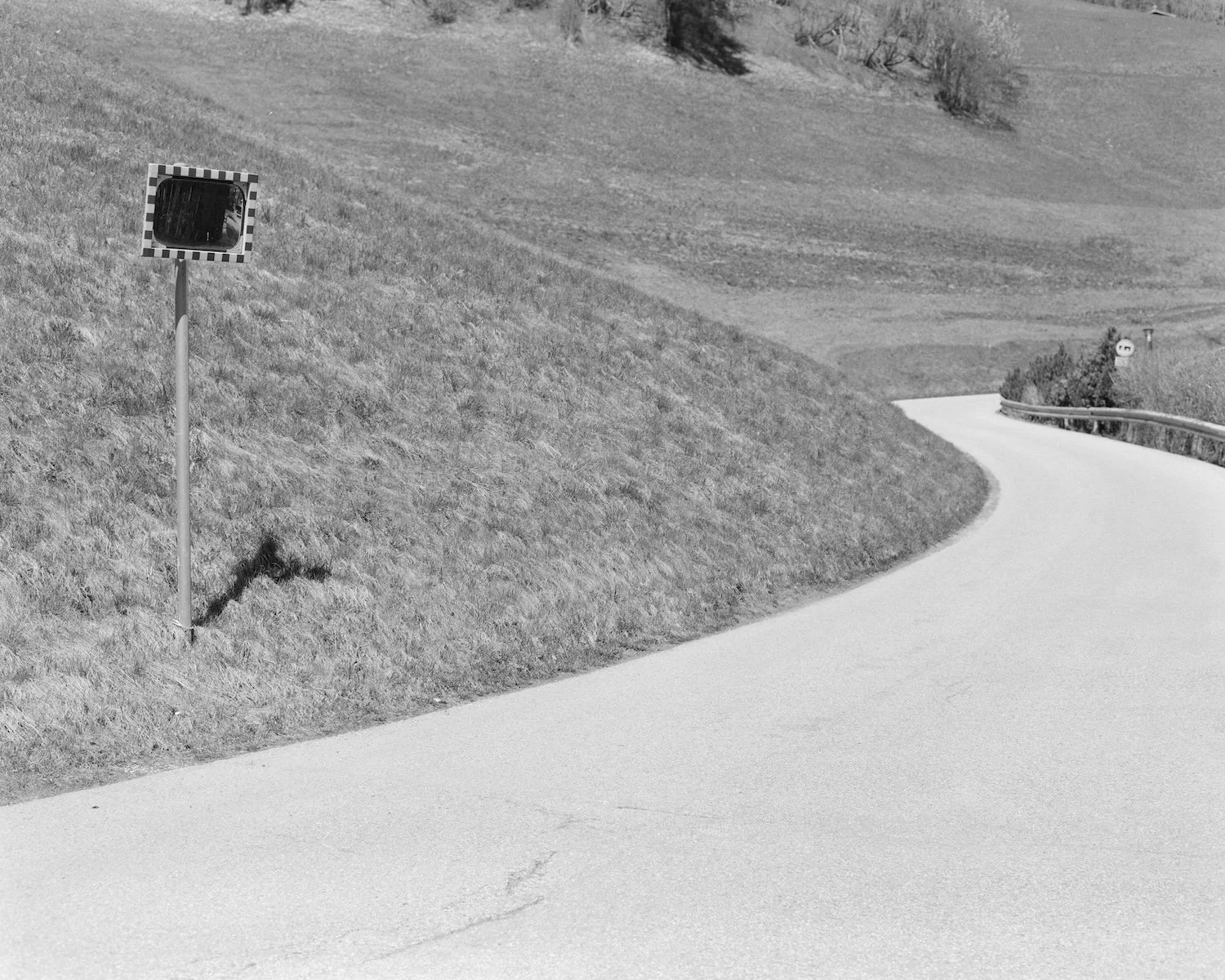
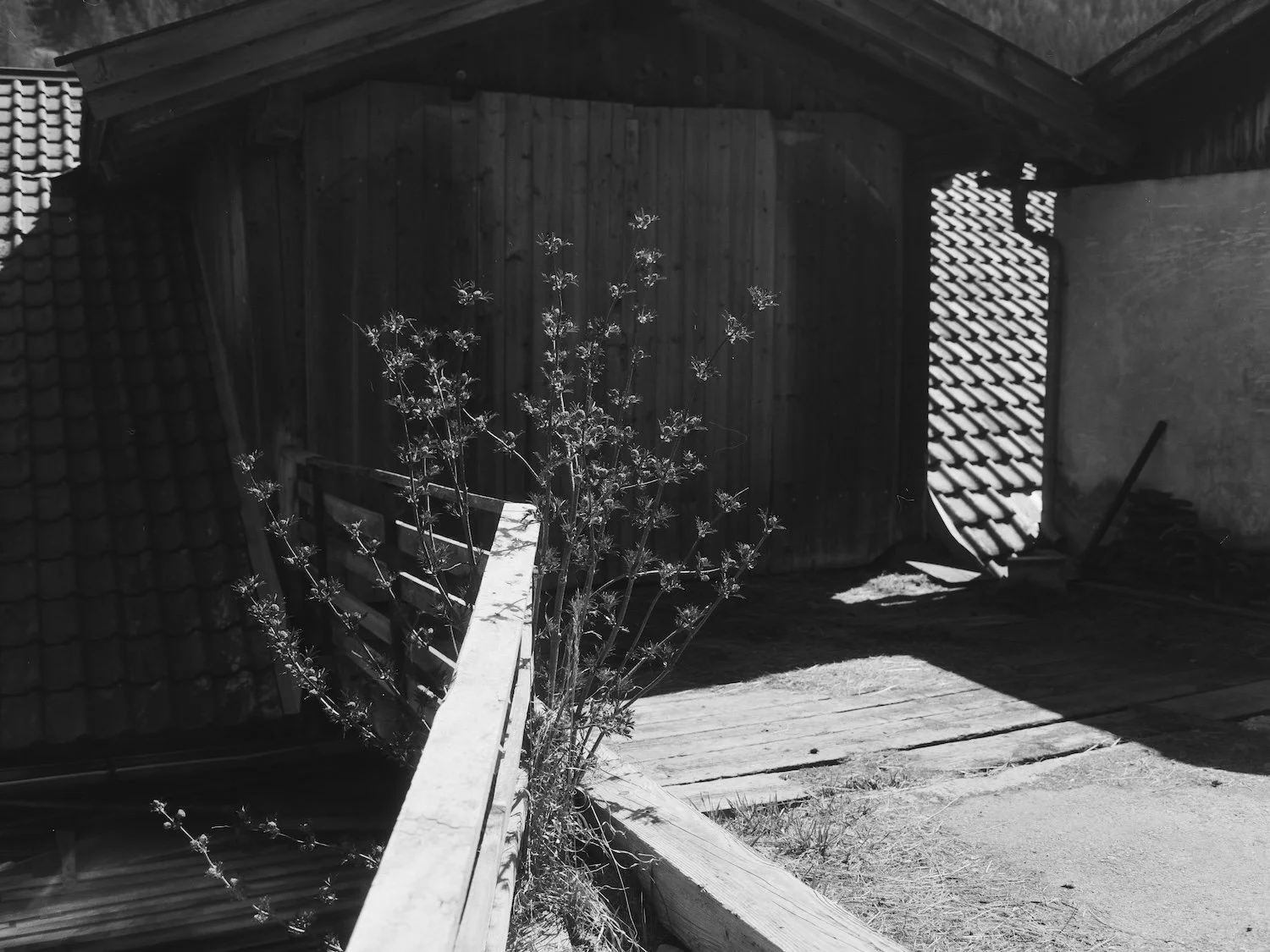
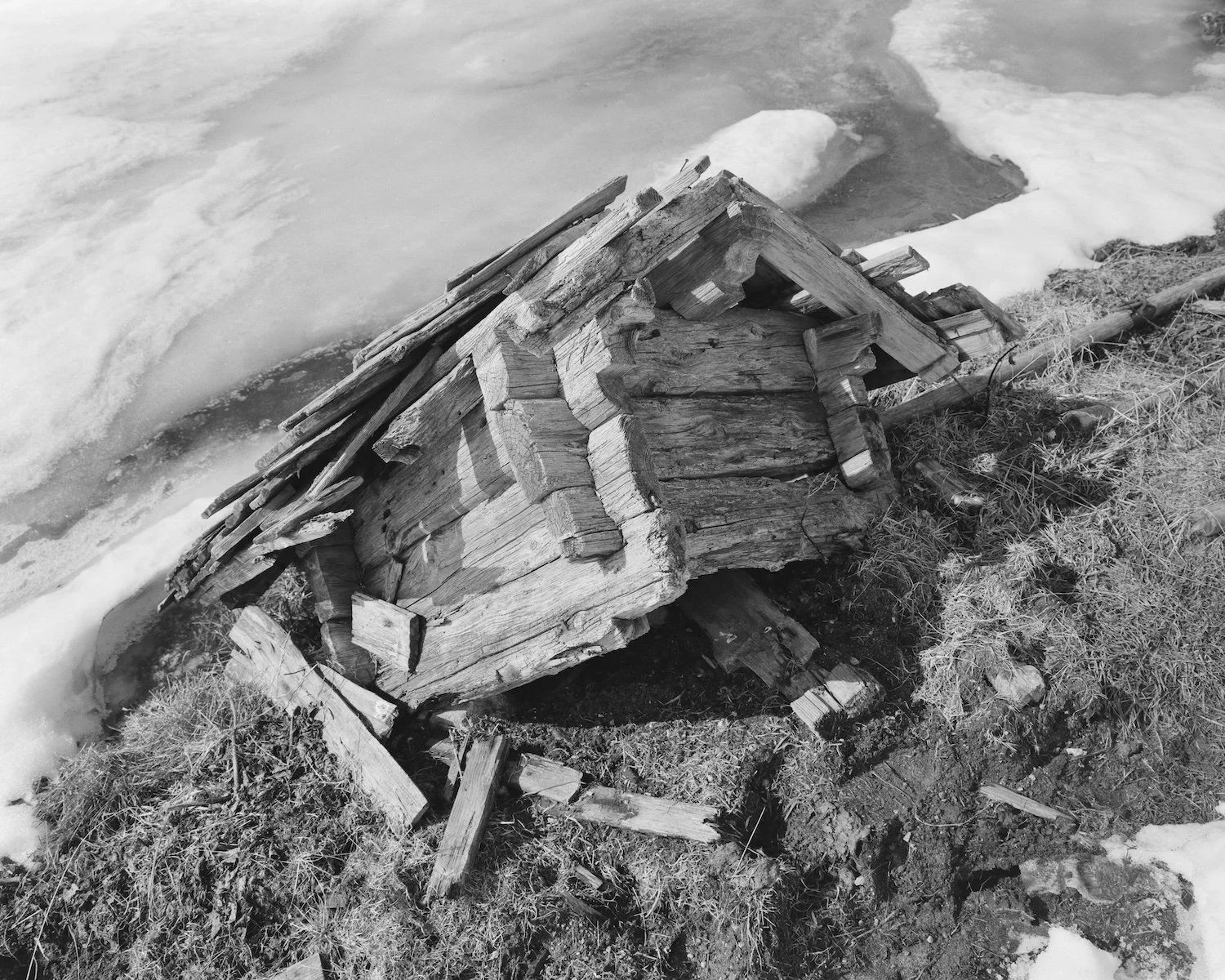
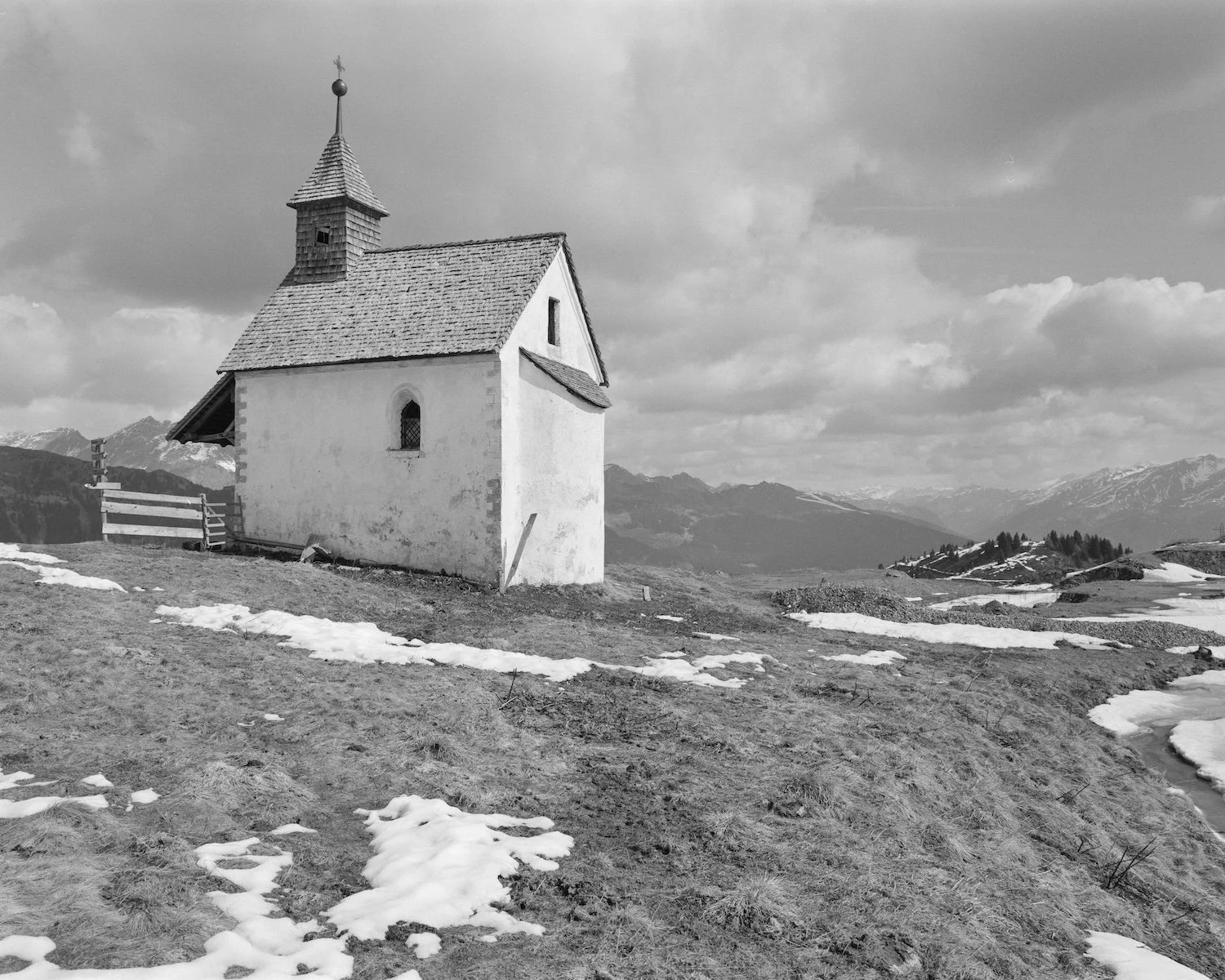
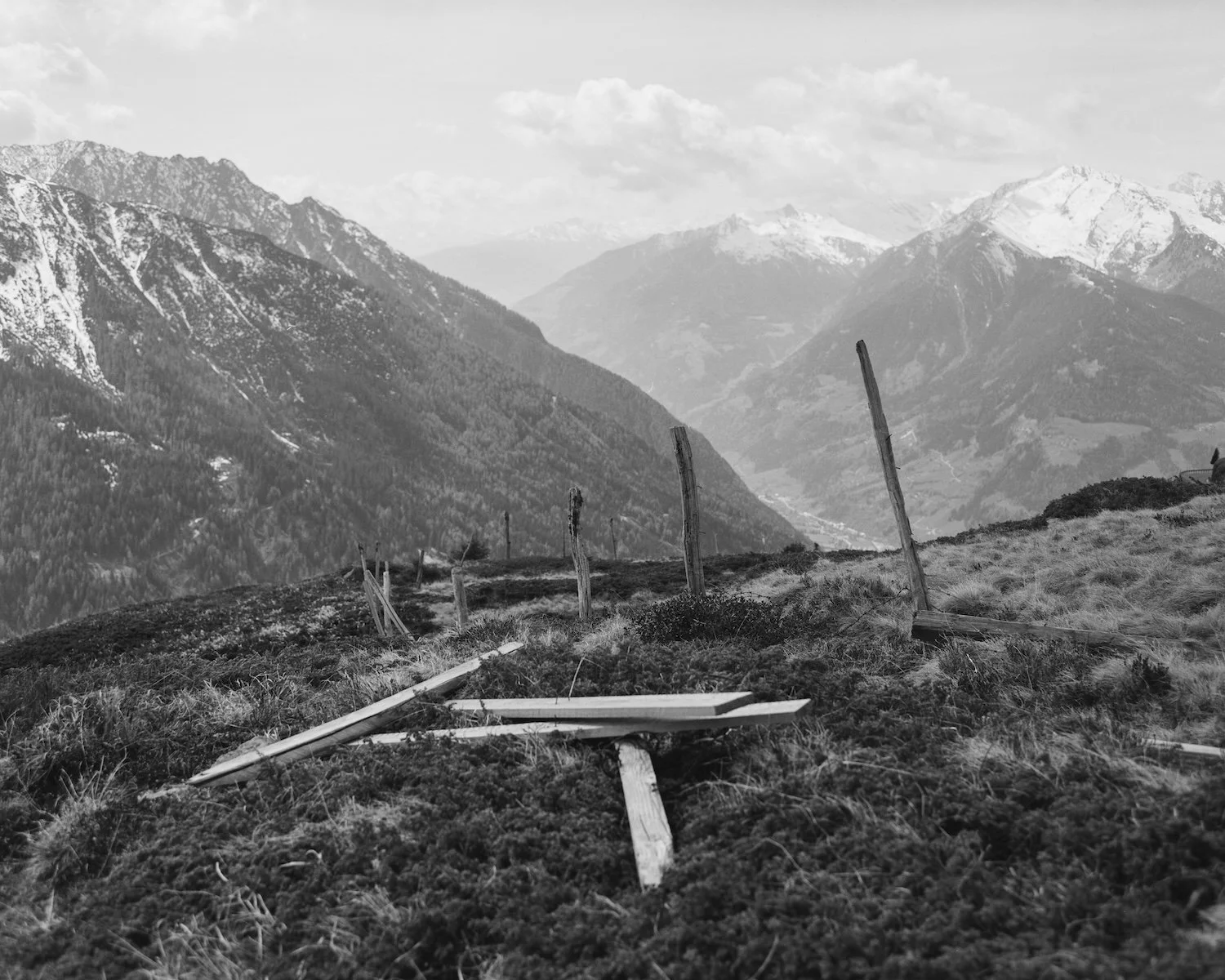
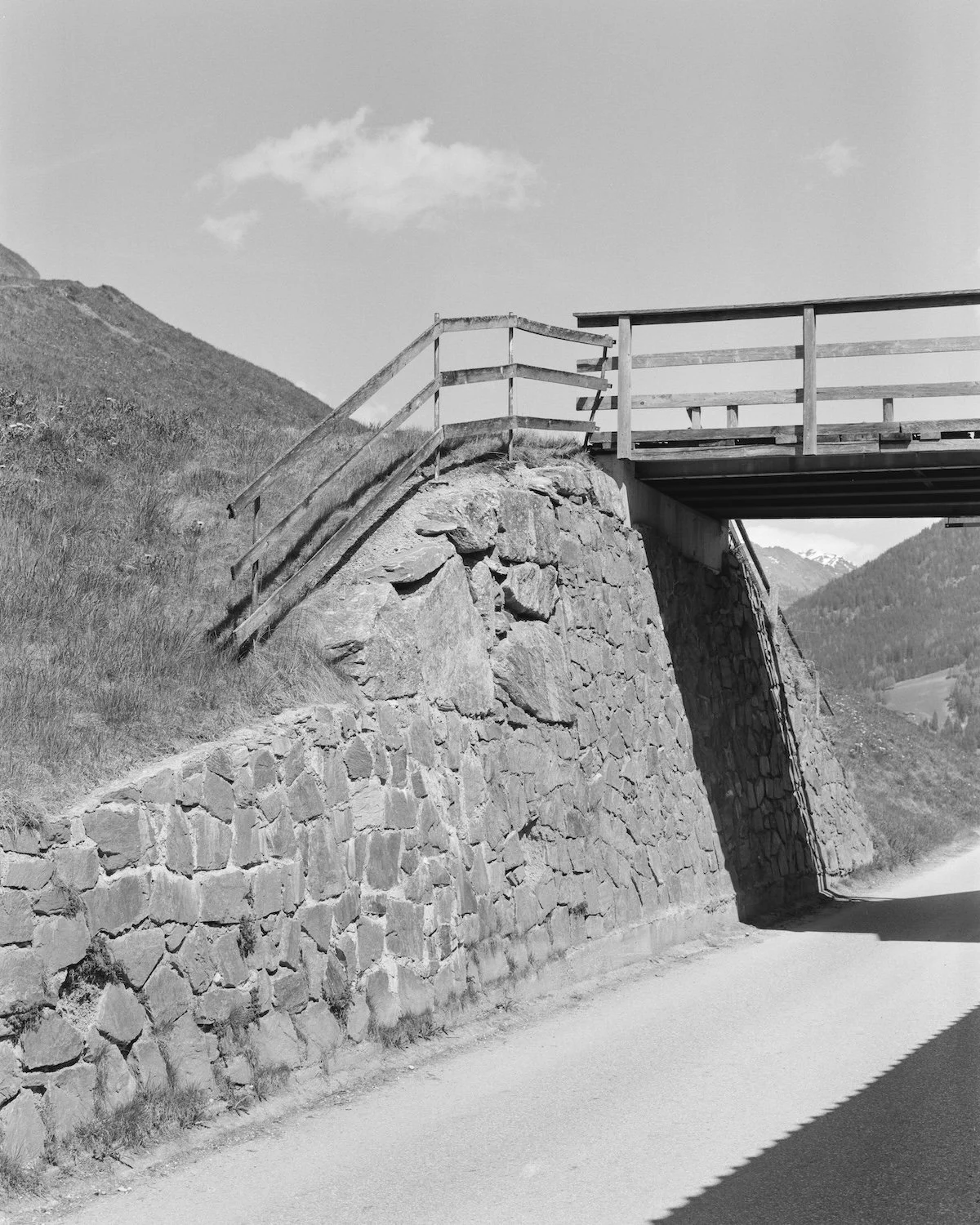
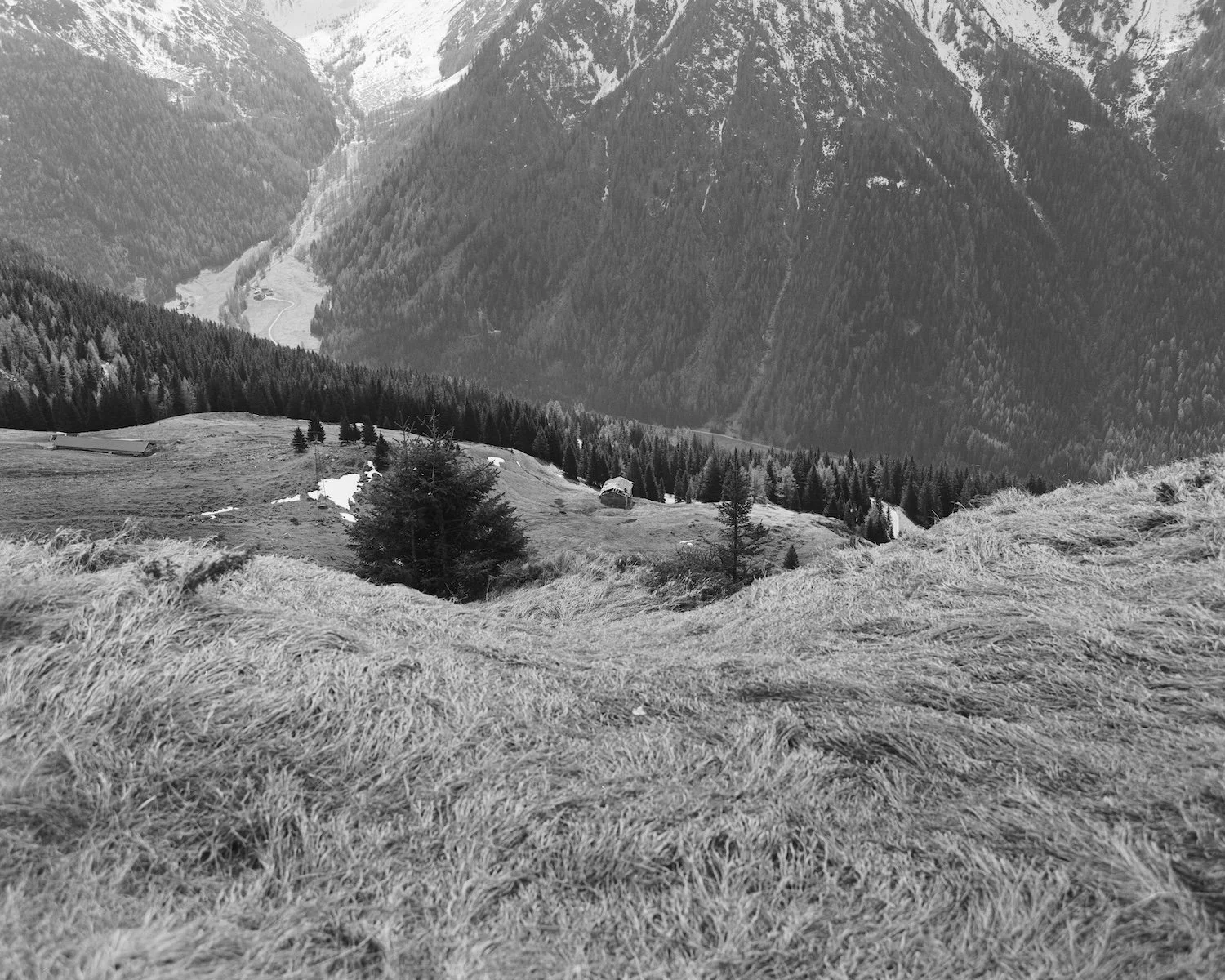
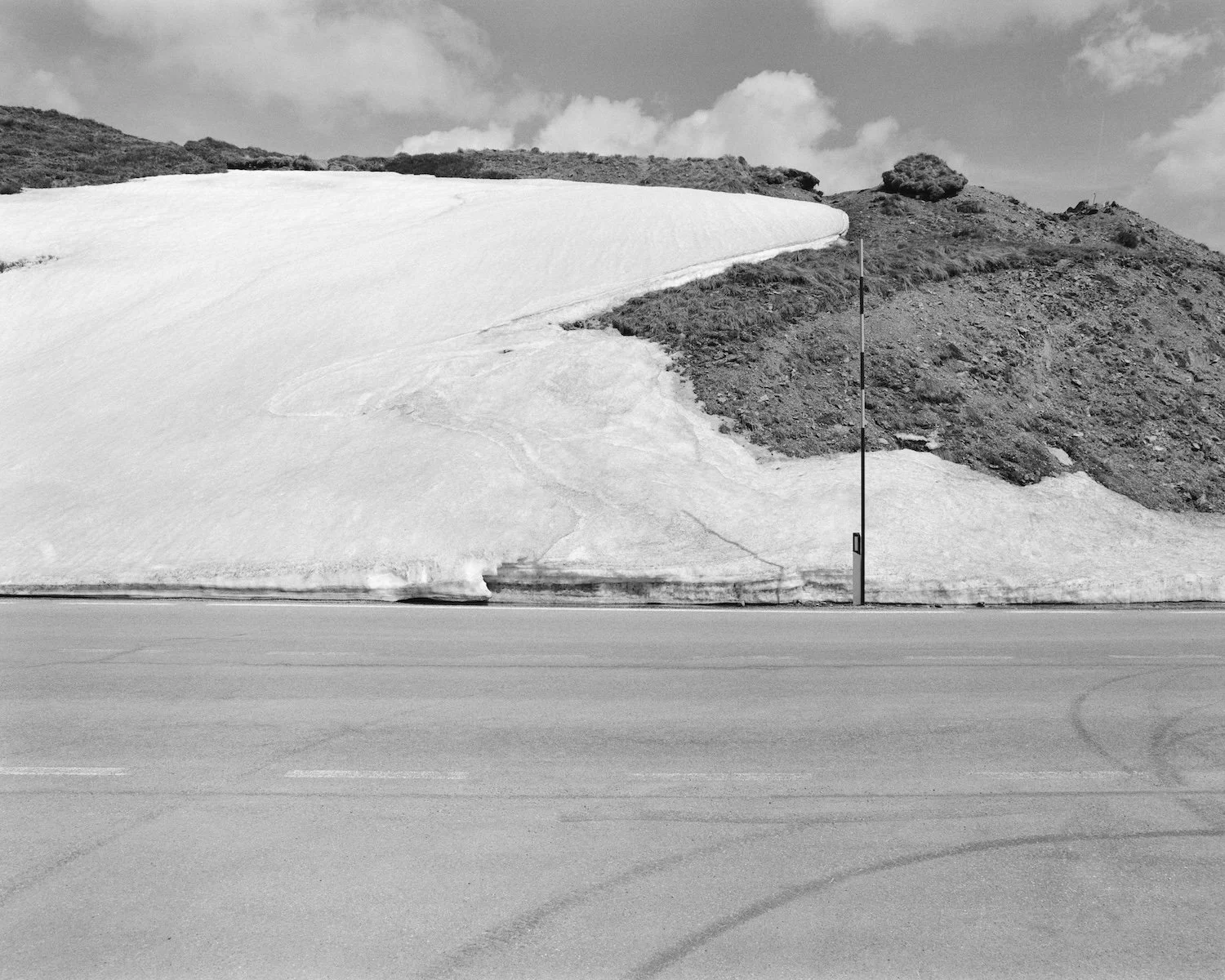
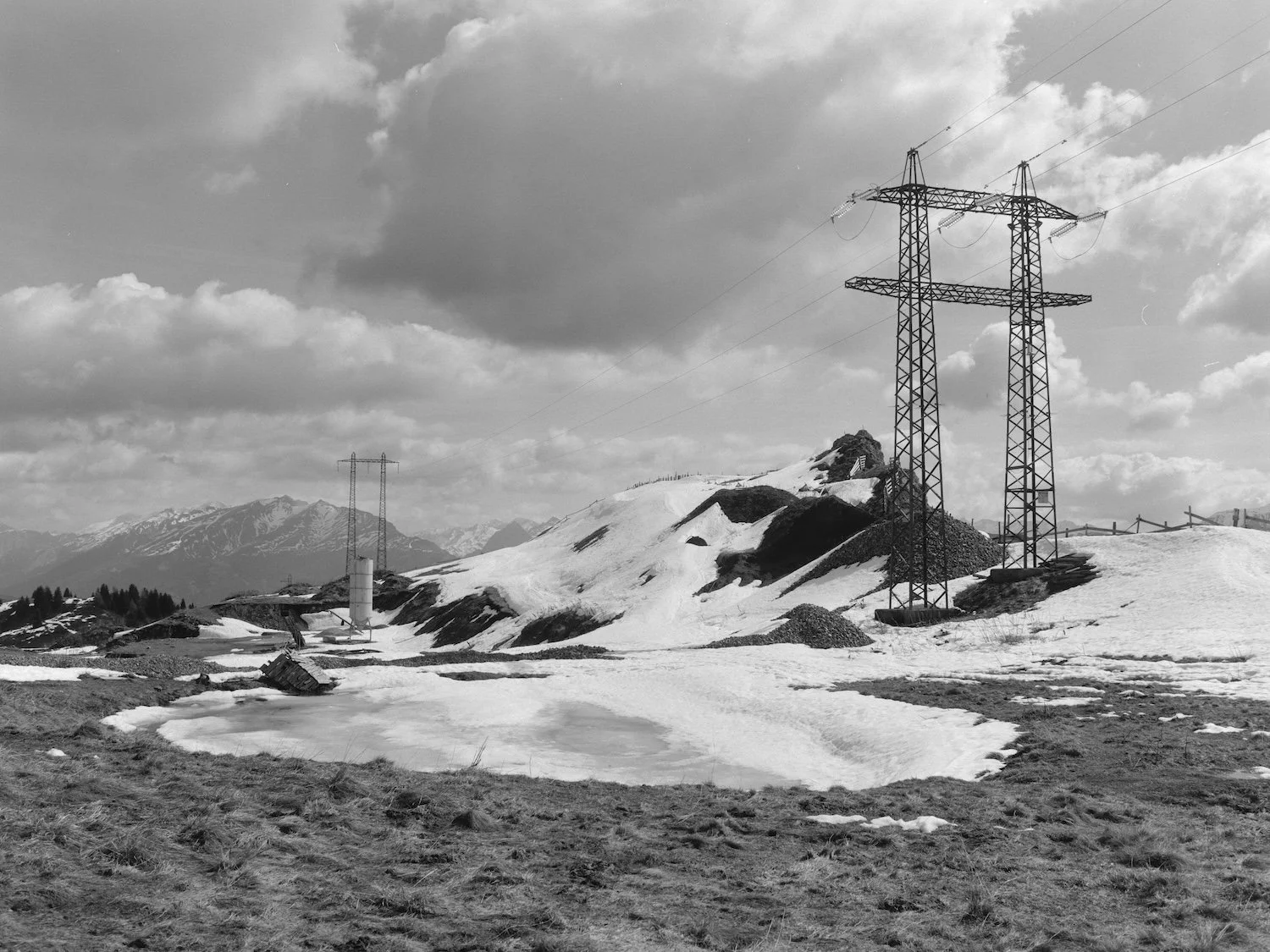
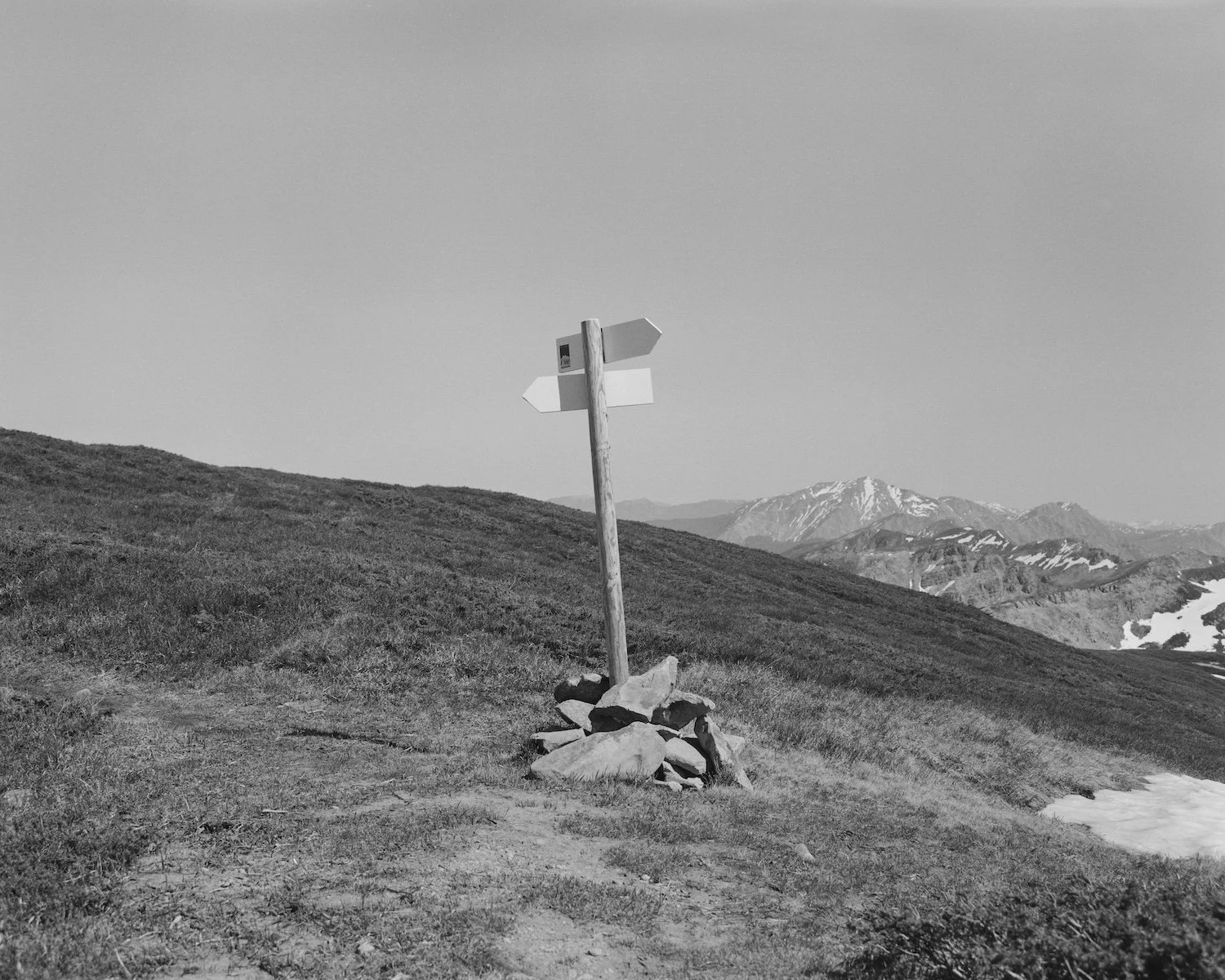
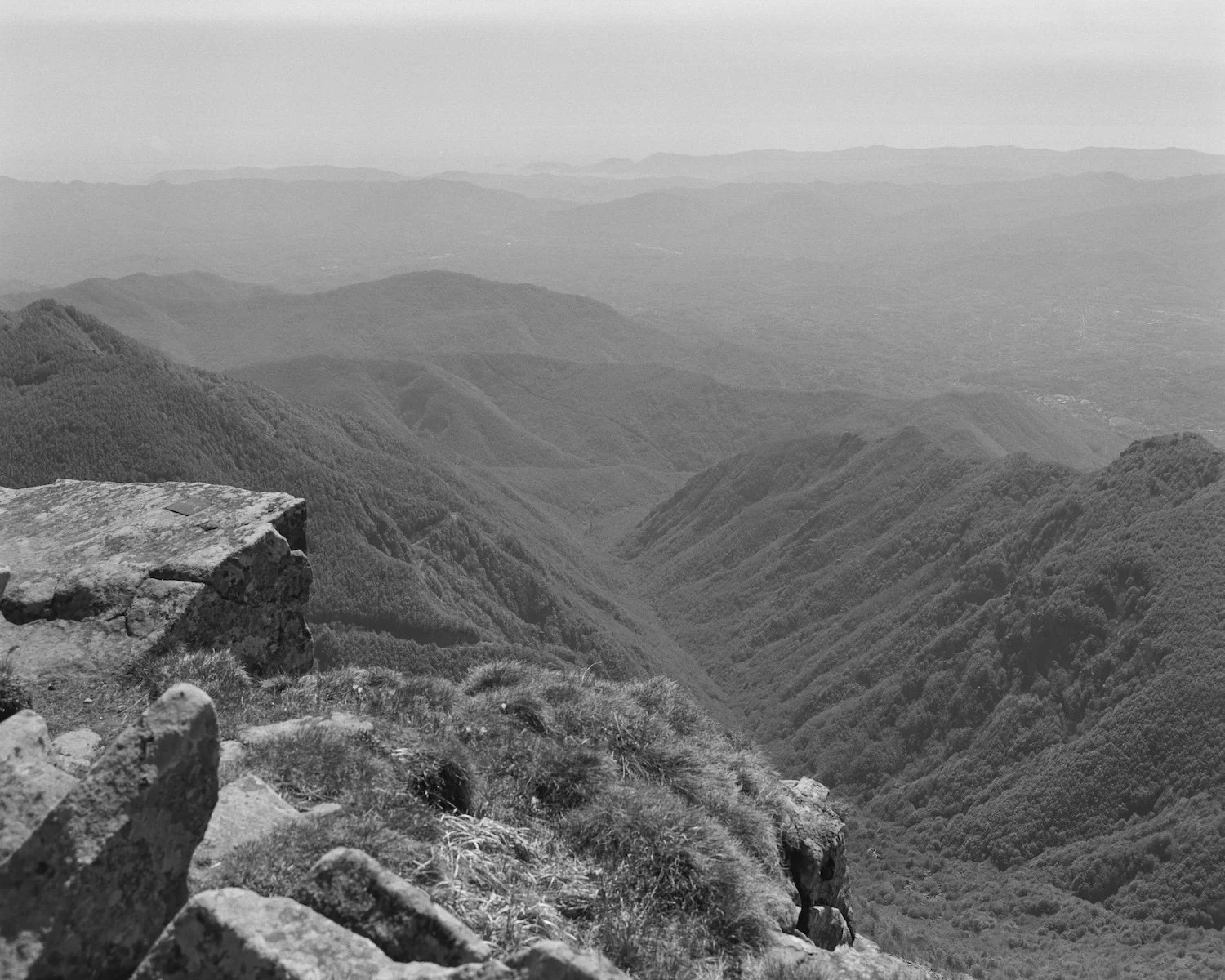
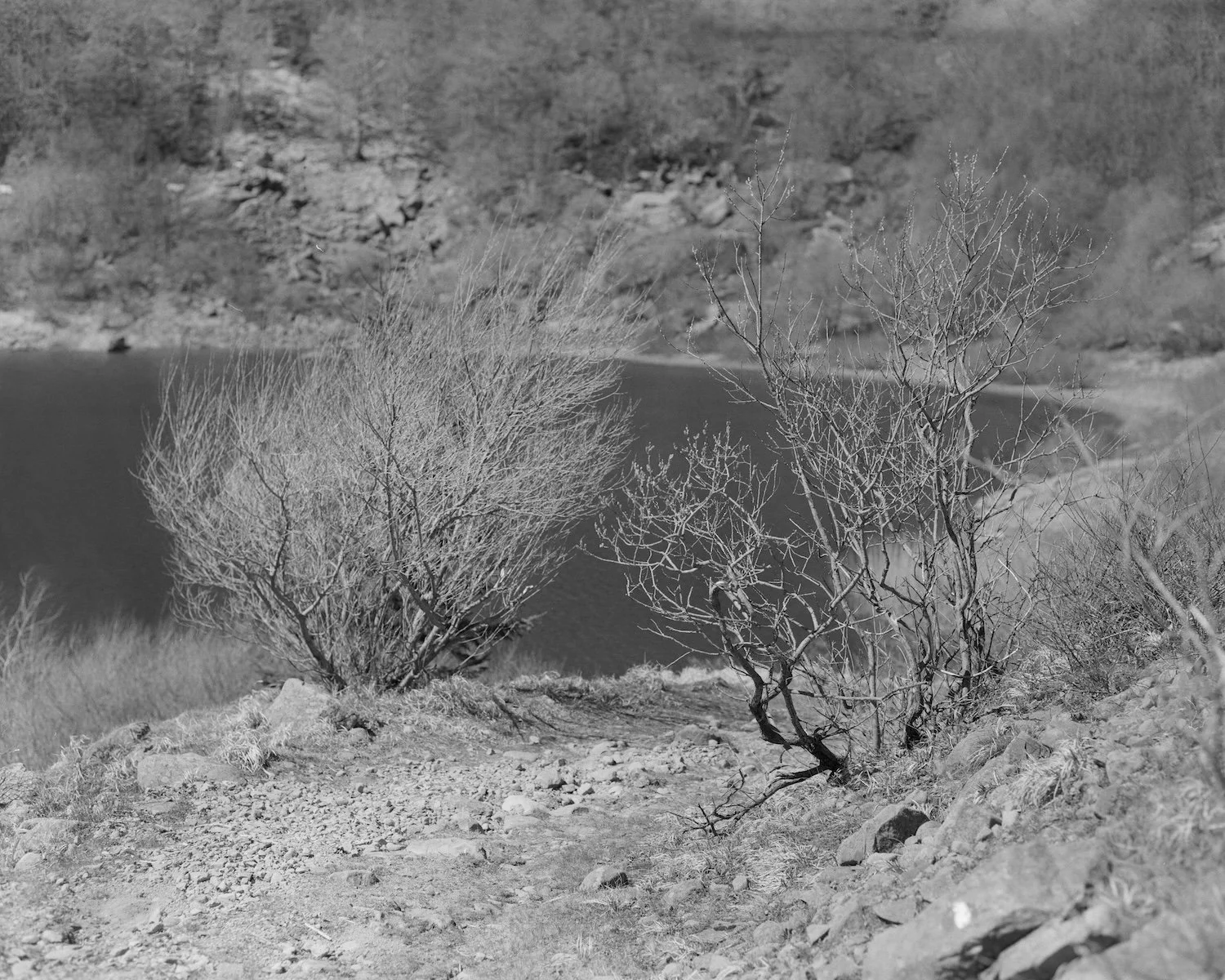
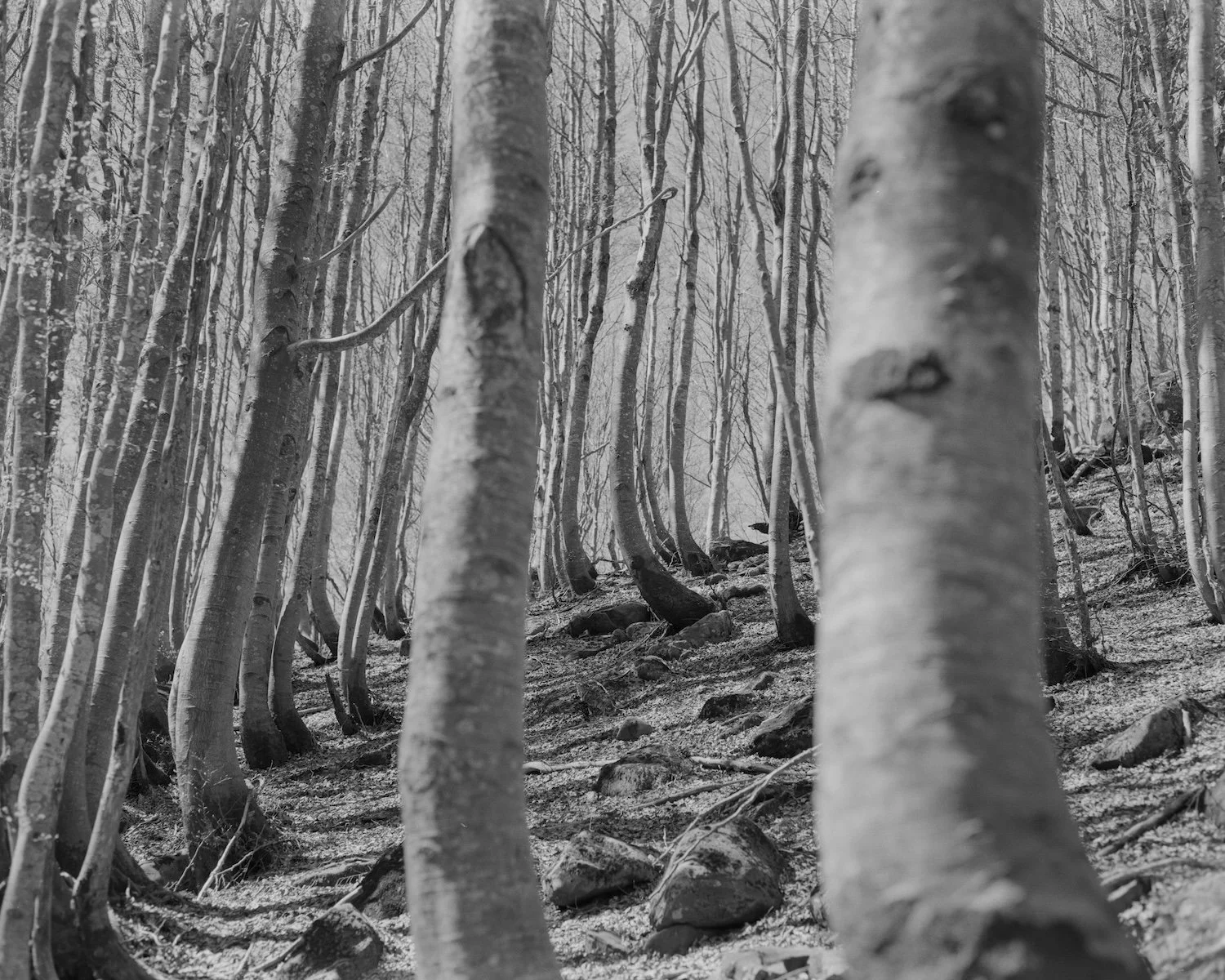
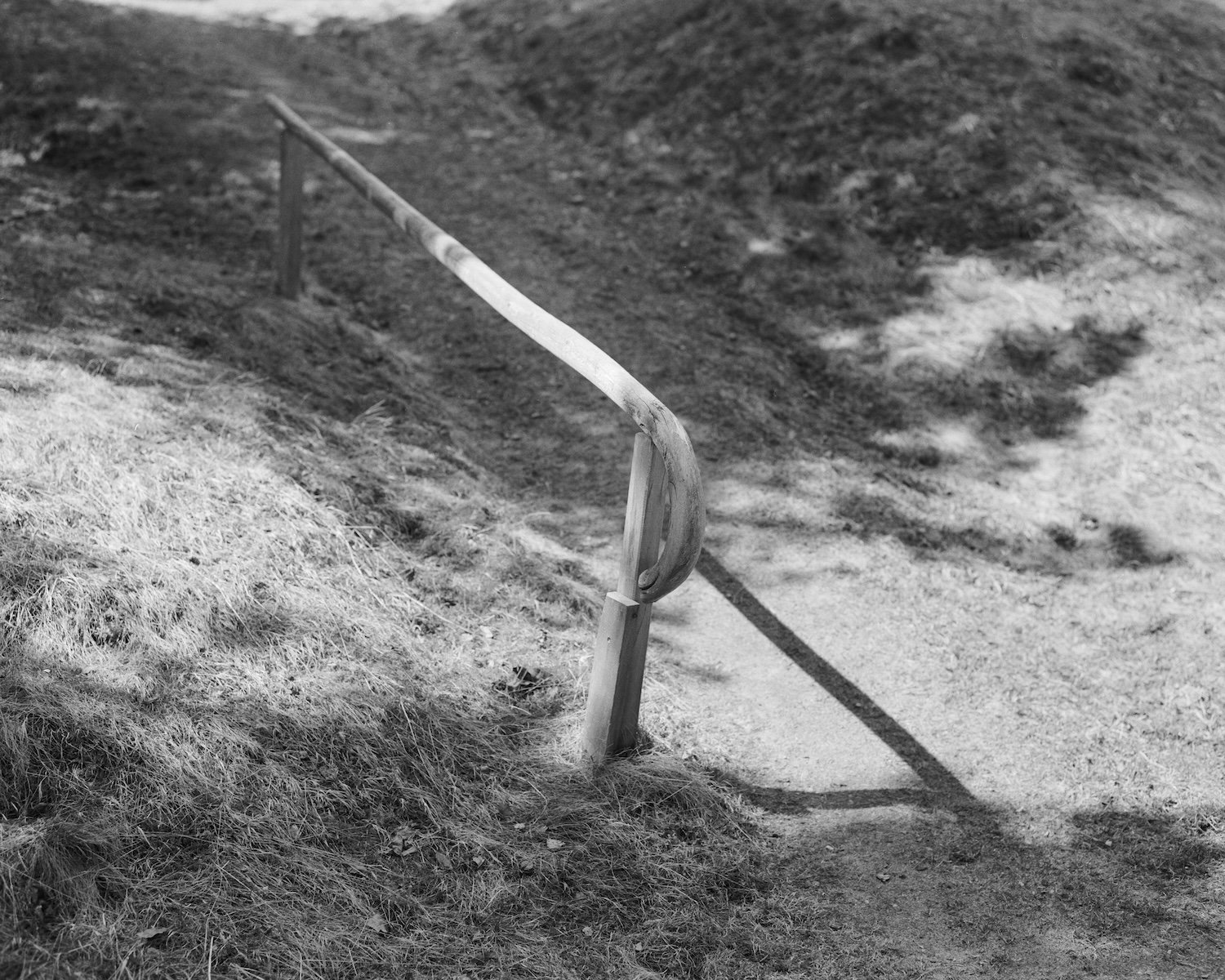
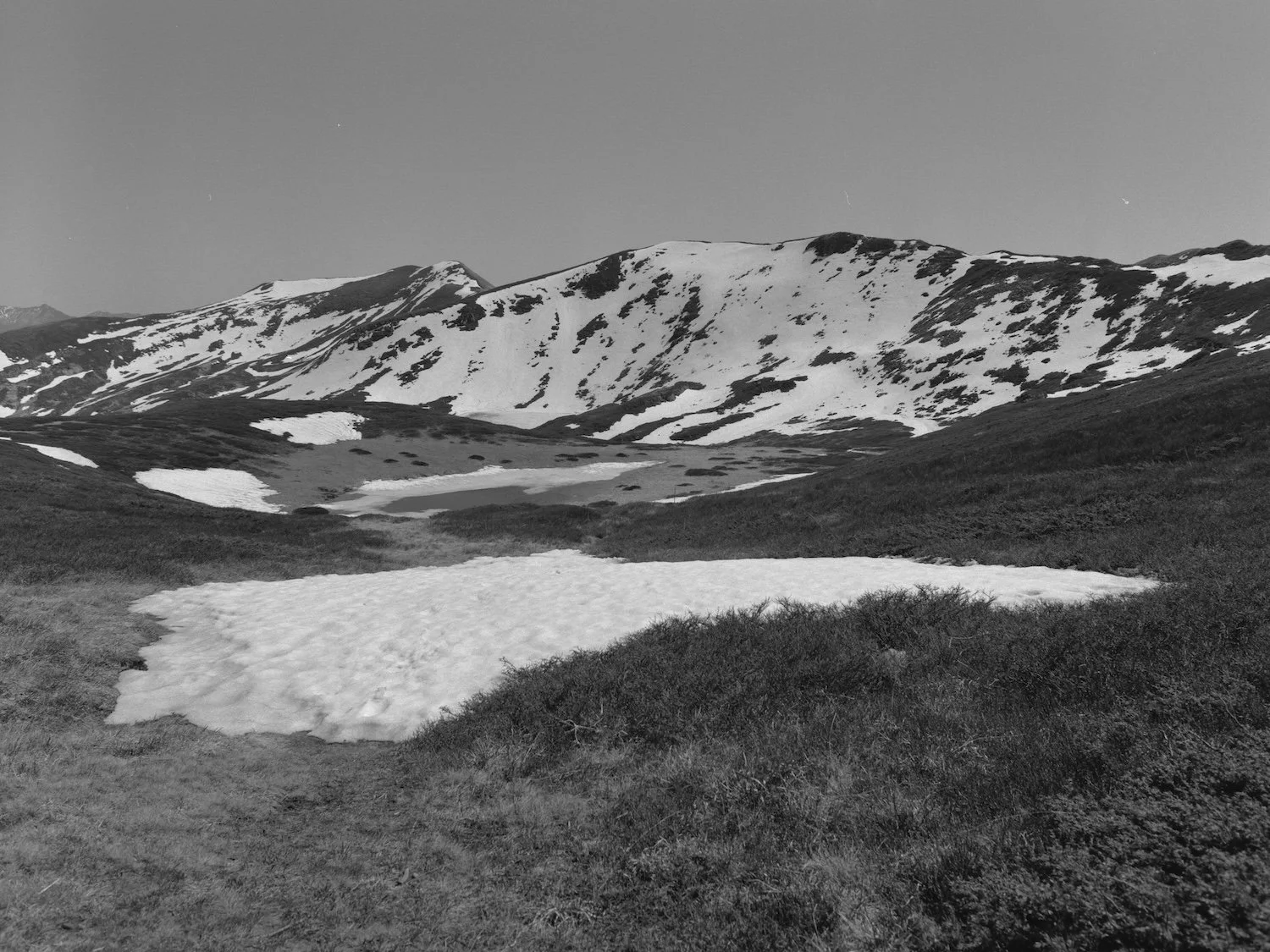
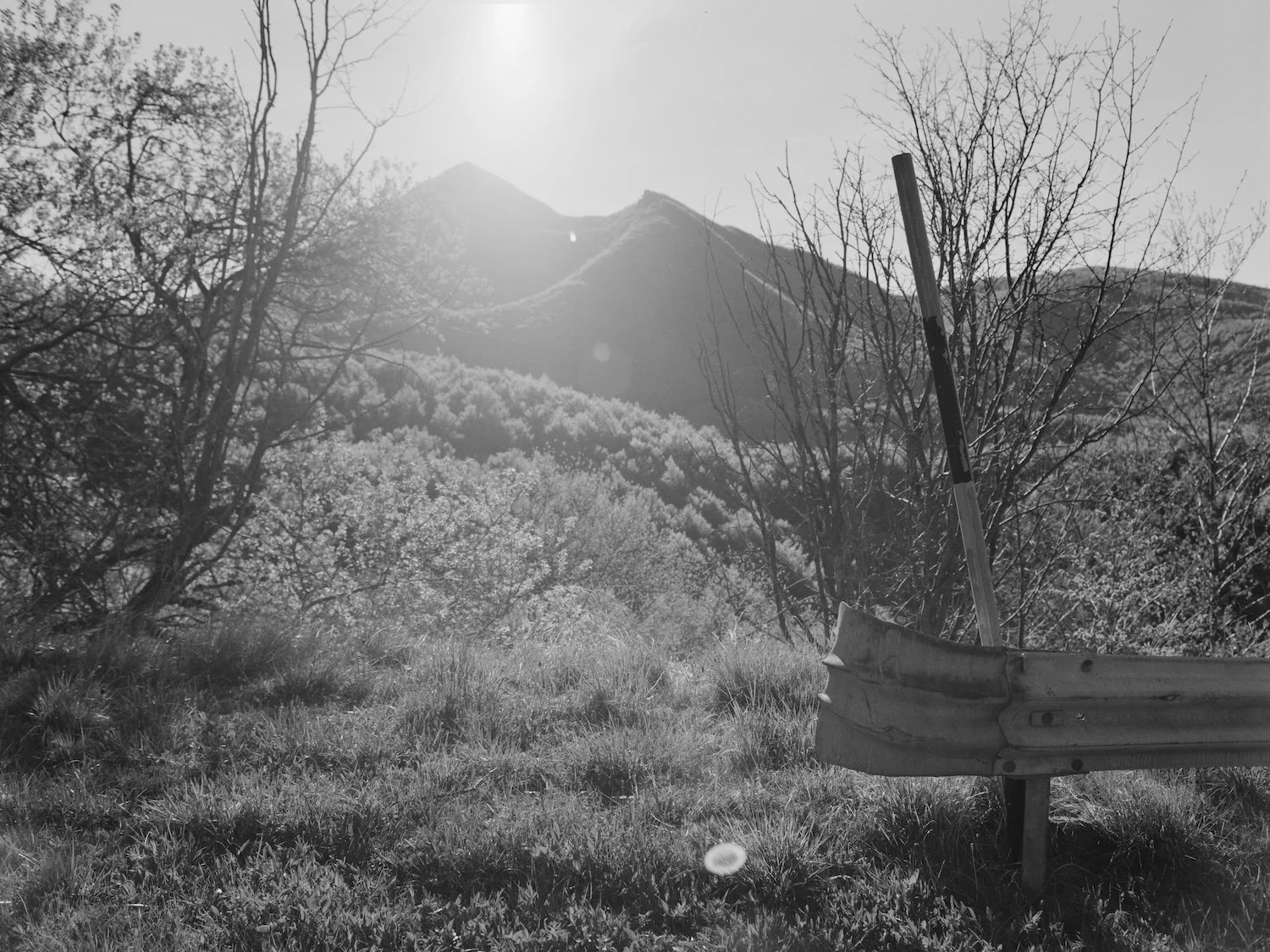
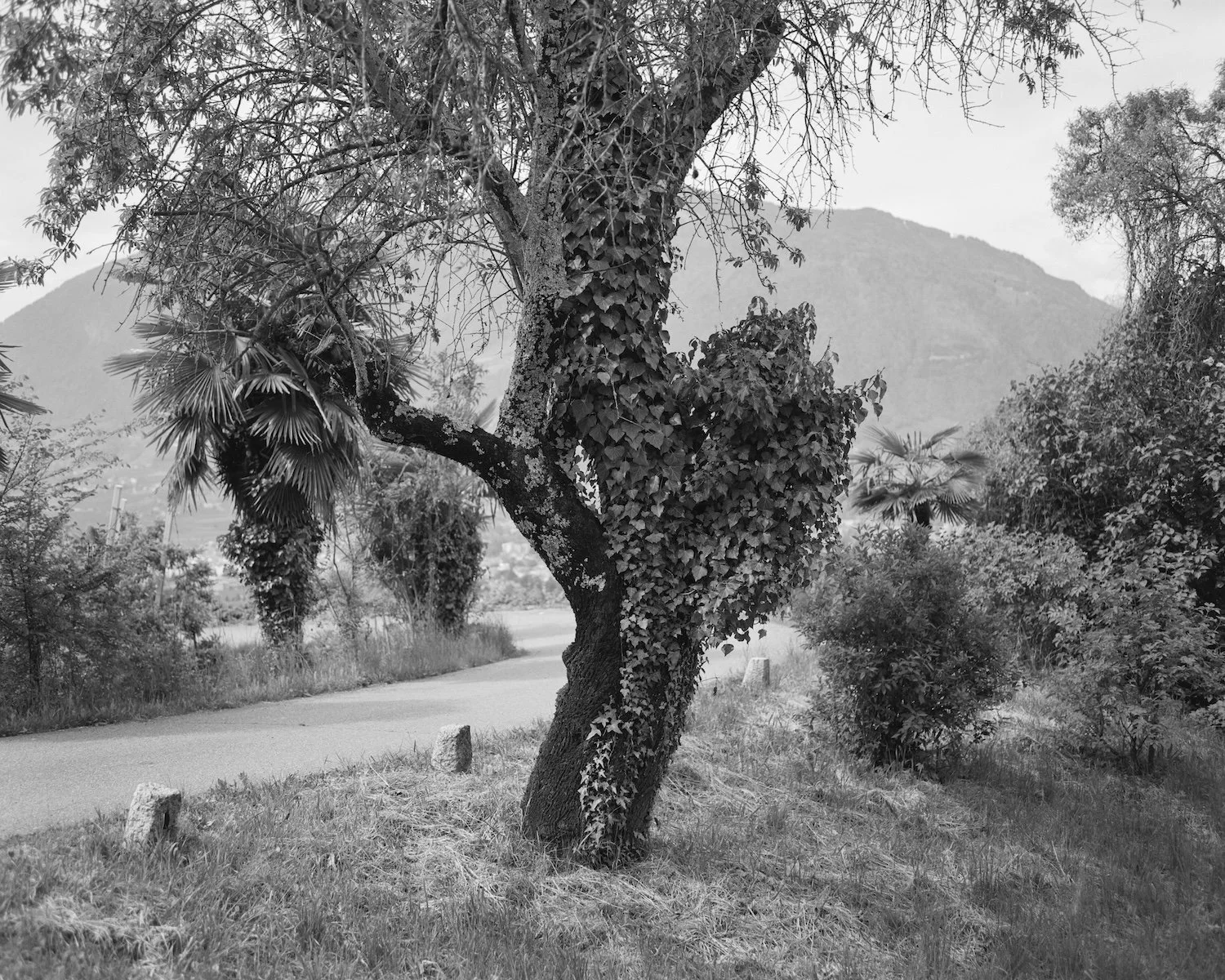
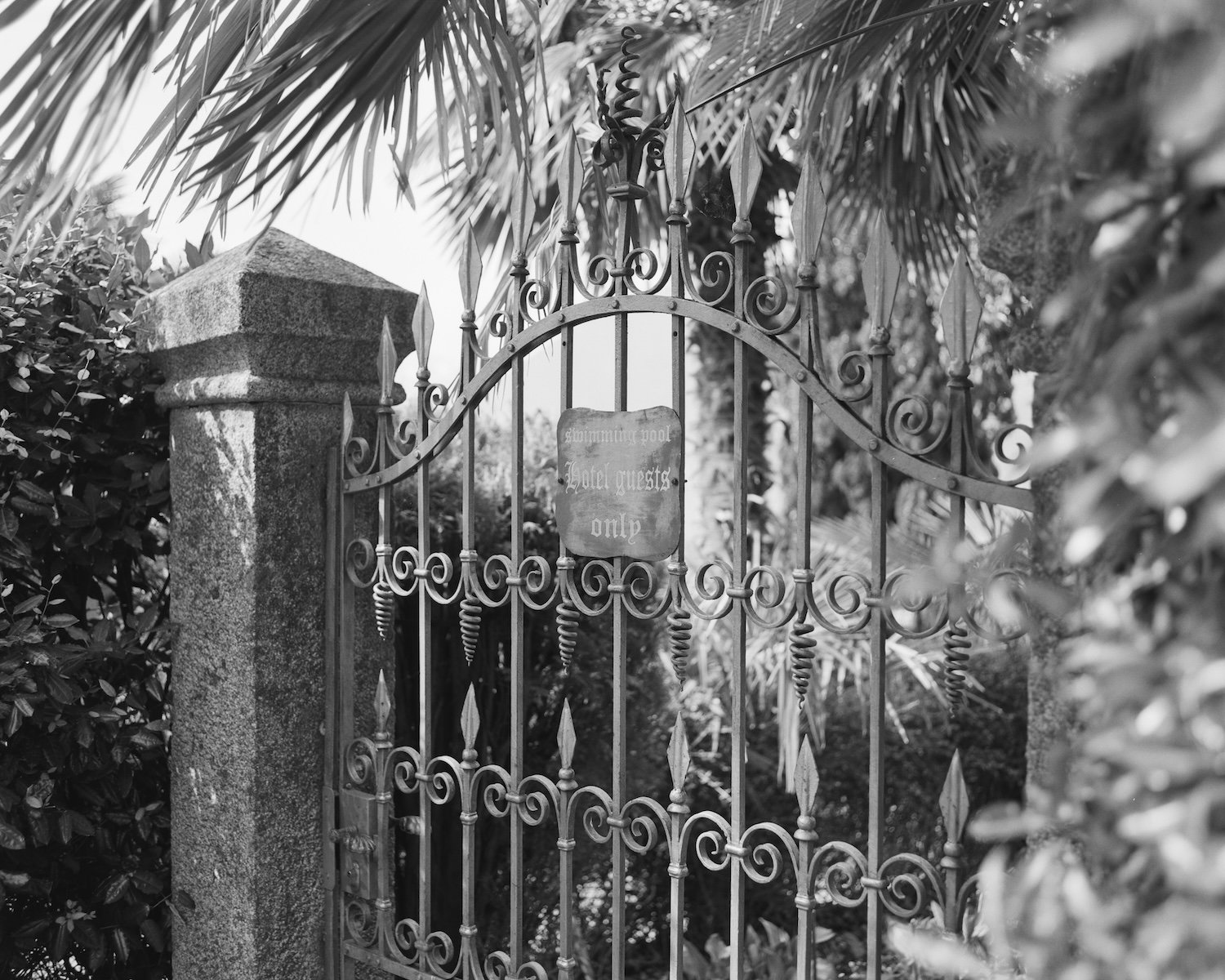
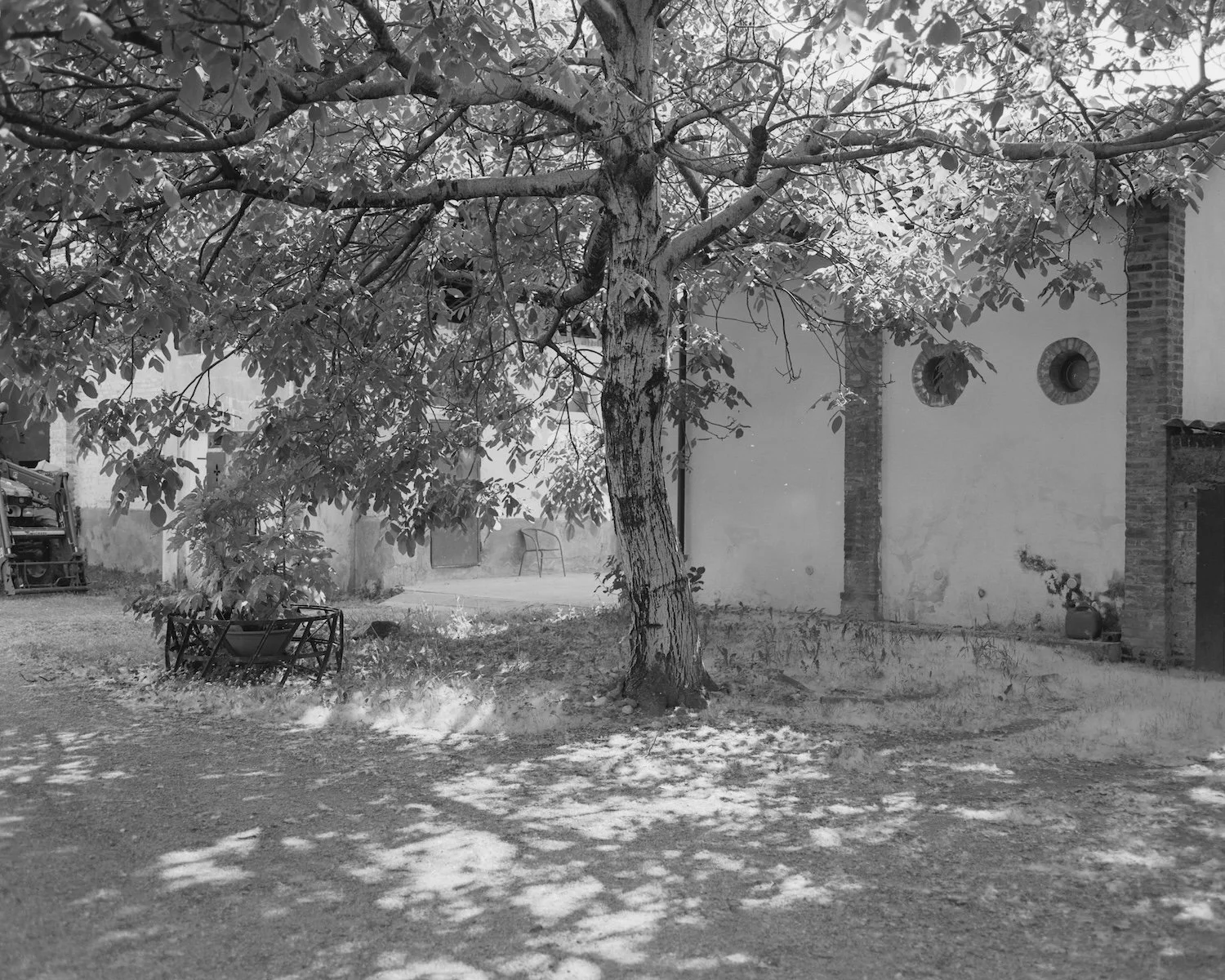
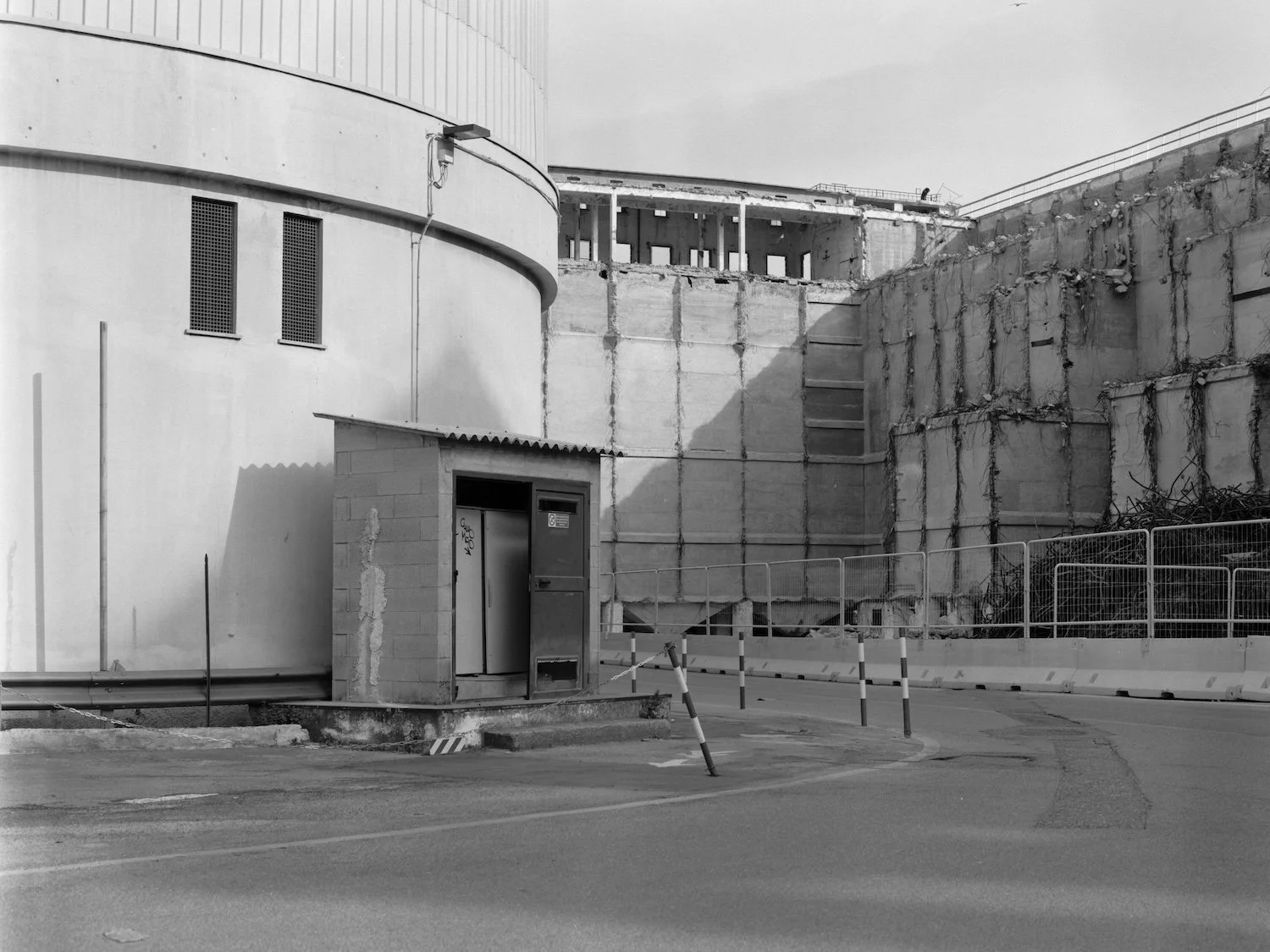
At the center of the project are sites documented as temporary shelters or transit points of the Ratlines: monasteries, Capuchin convents, inns, mountain passes, and border regions. The photographs examine the topographies of these routes as well as the close relationship between Catholic presence, alpine geography, and the cultural transitions between Germany, Austria, and Italy and particularly in South Tyrol.
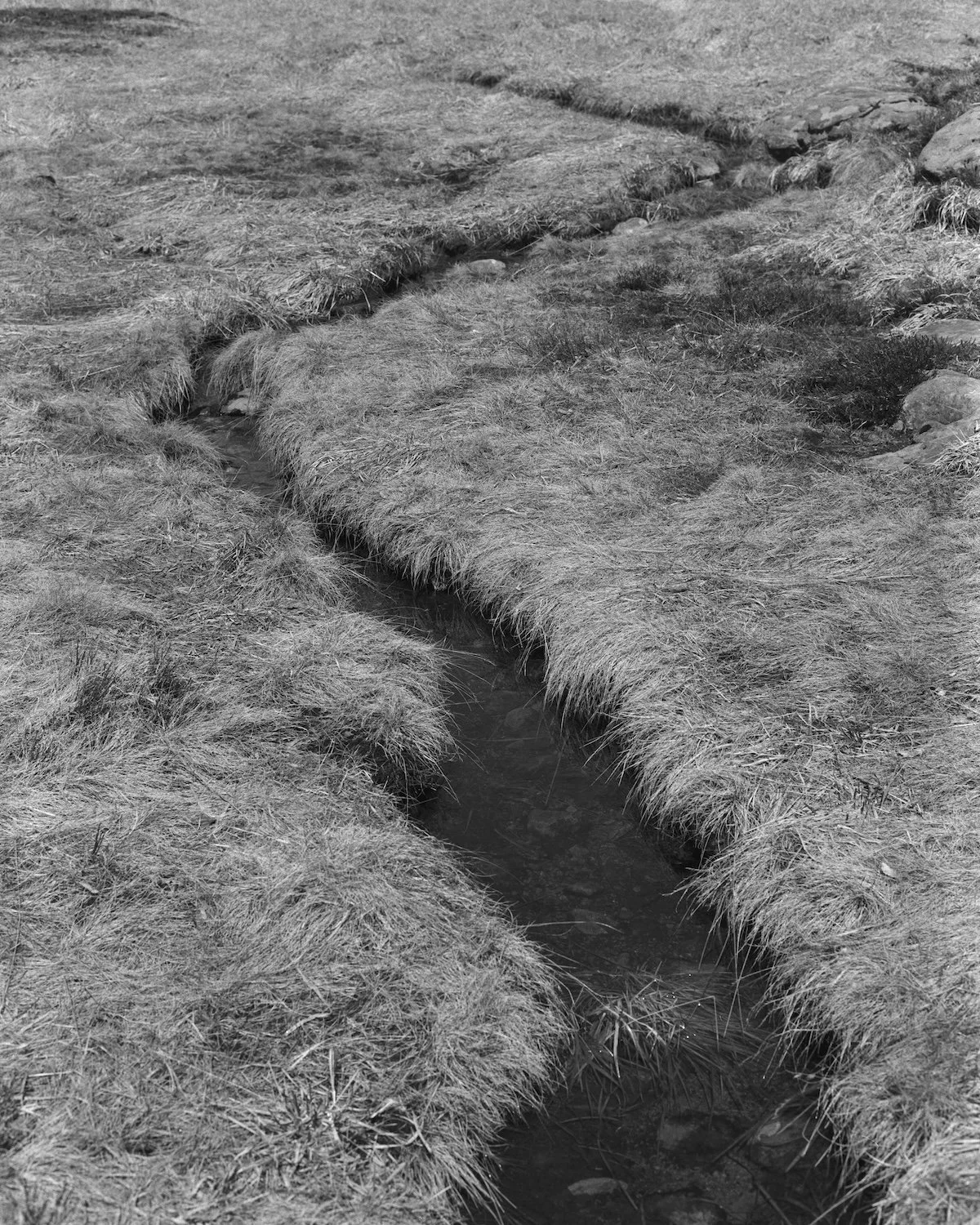
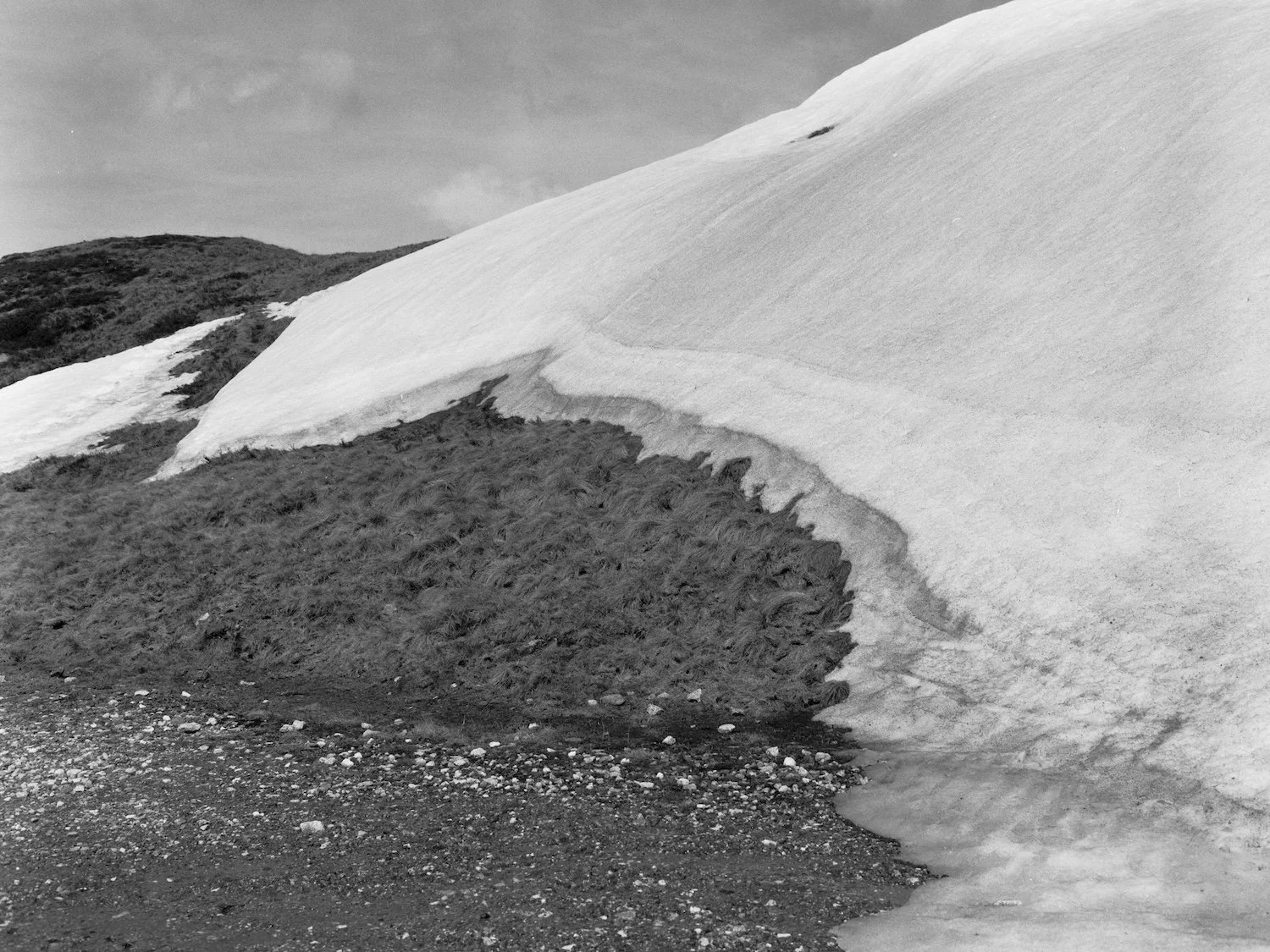
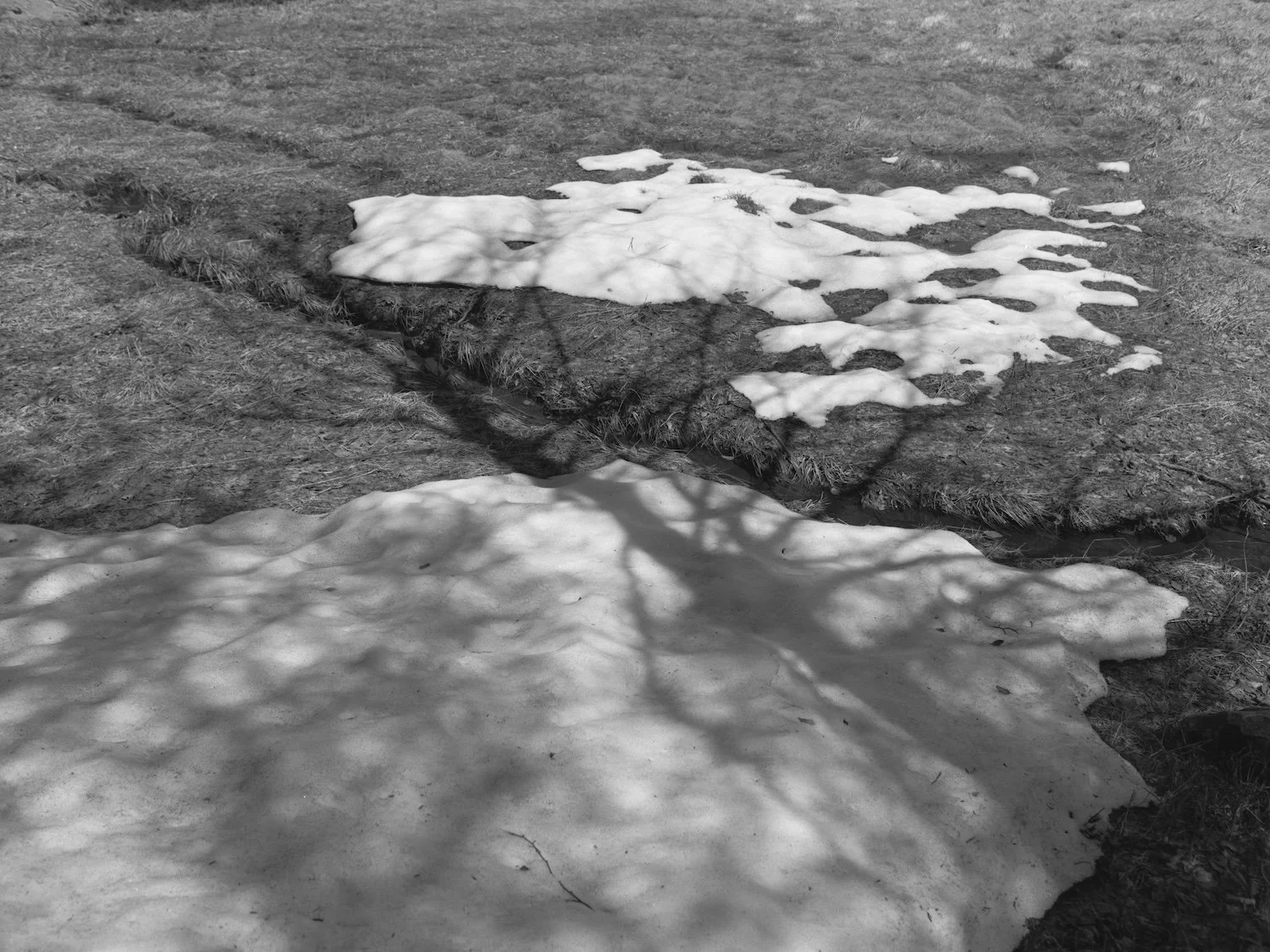
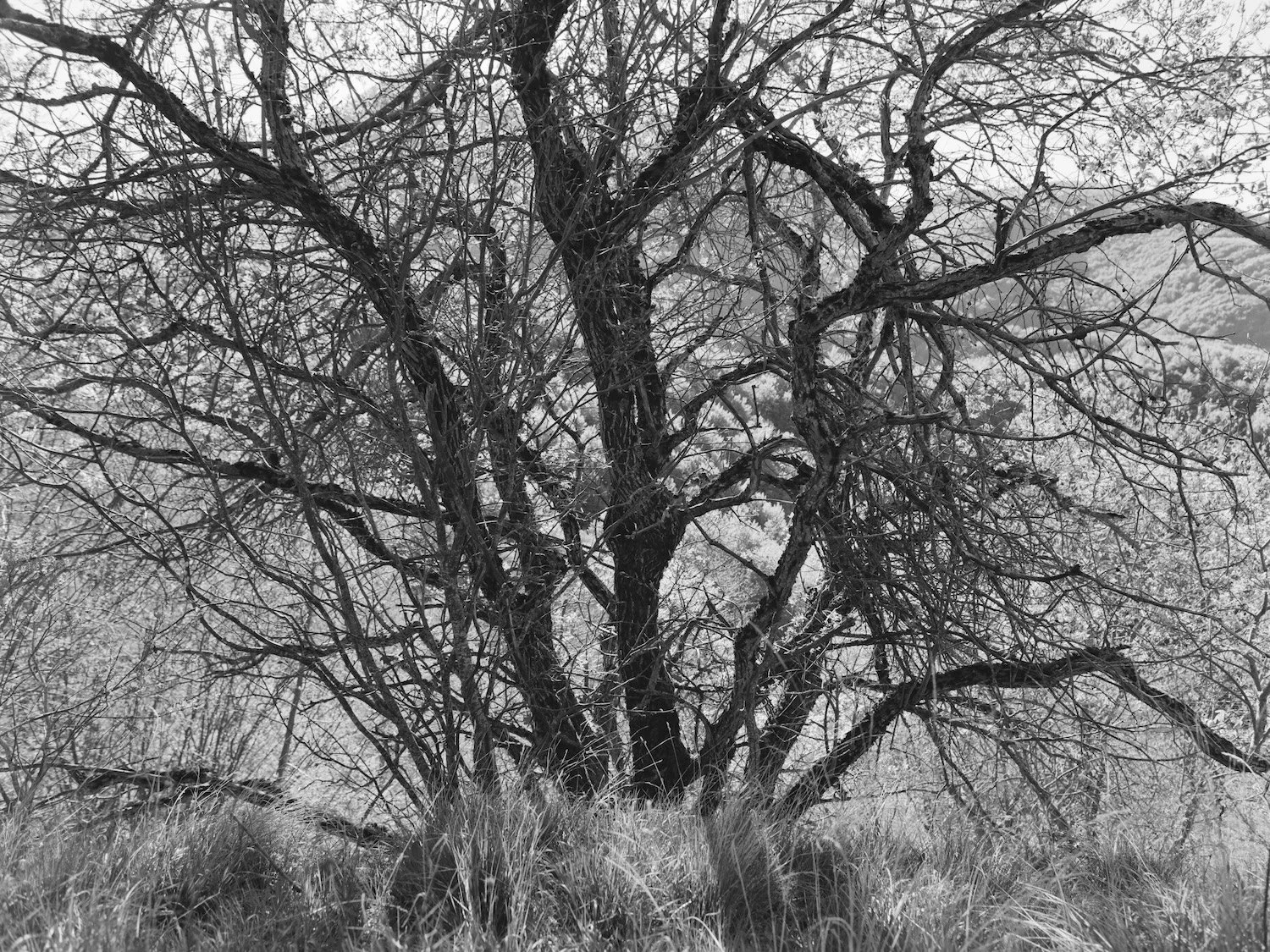
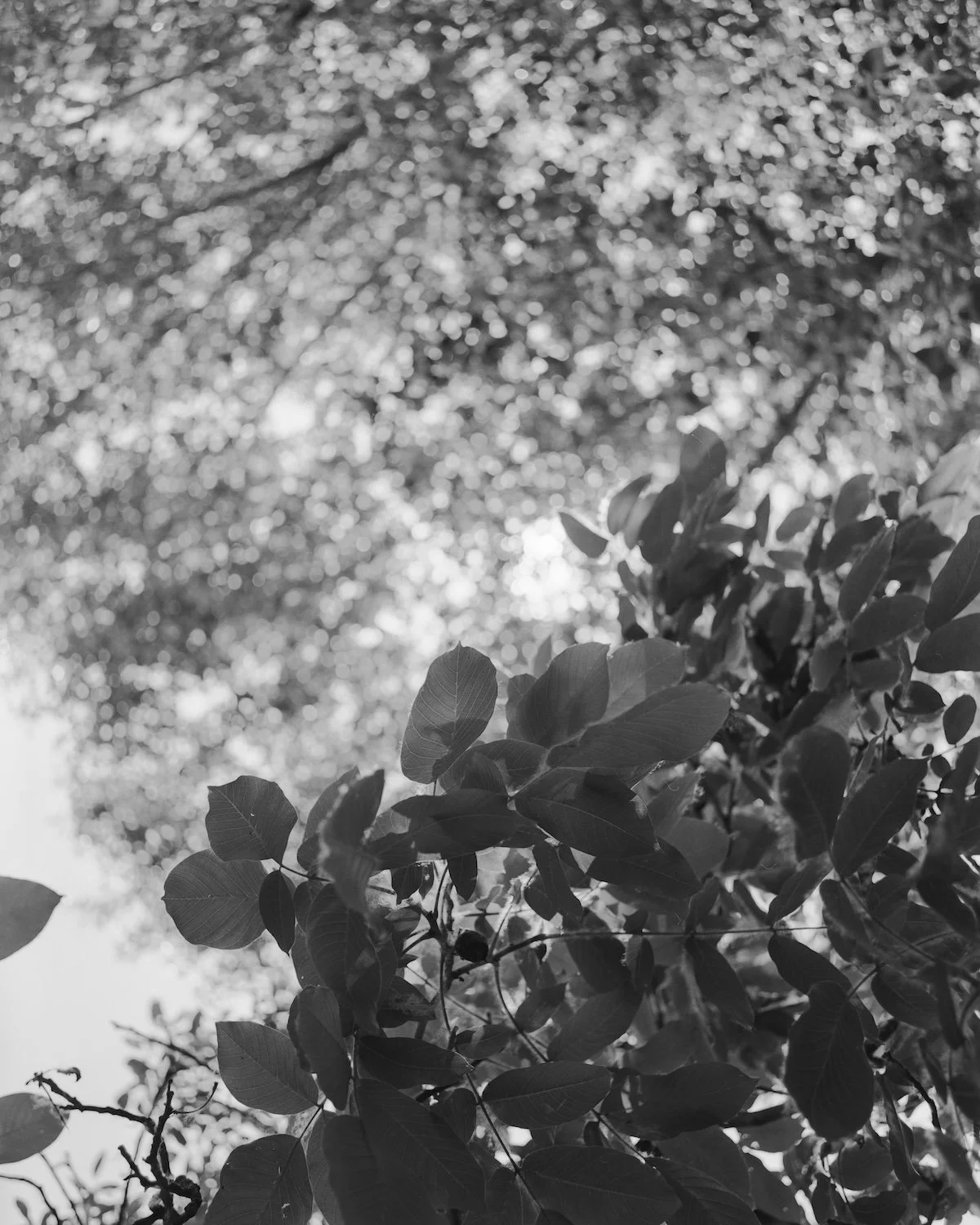
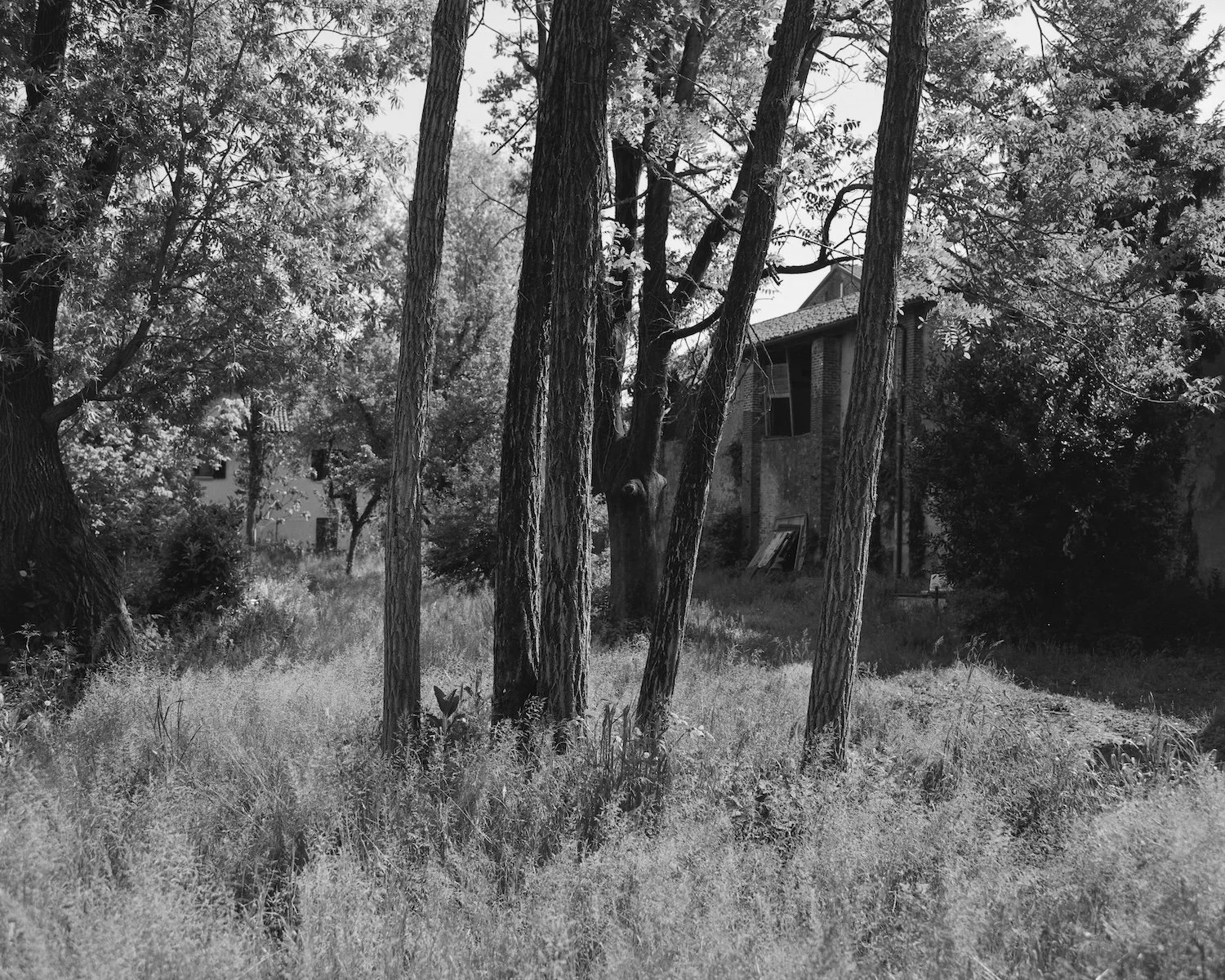
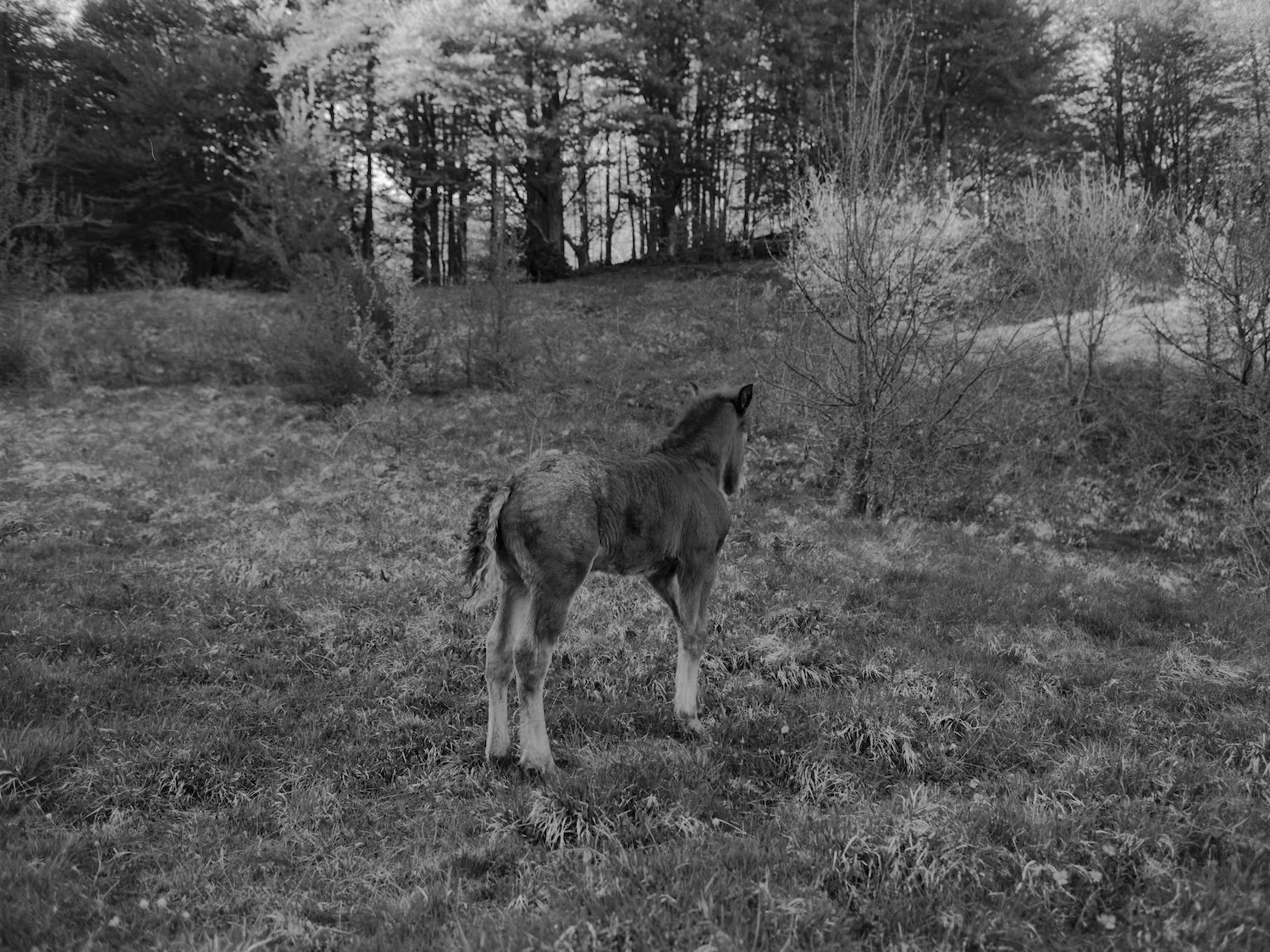
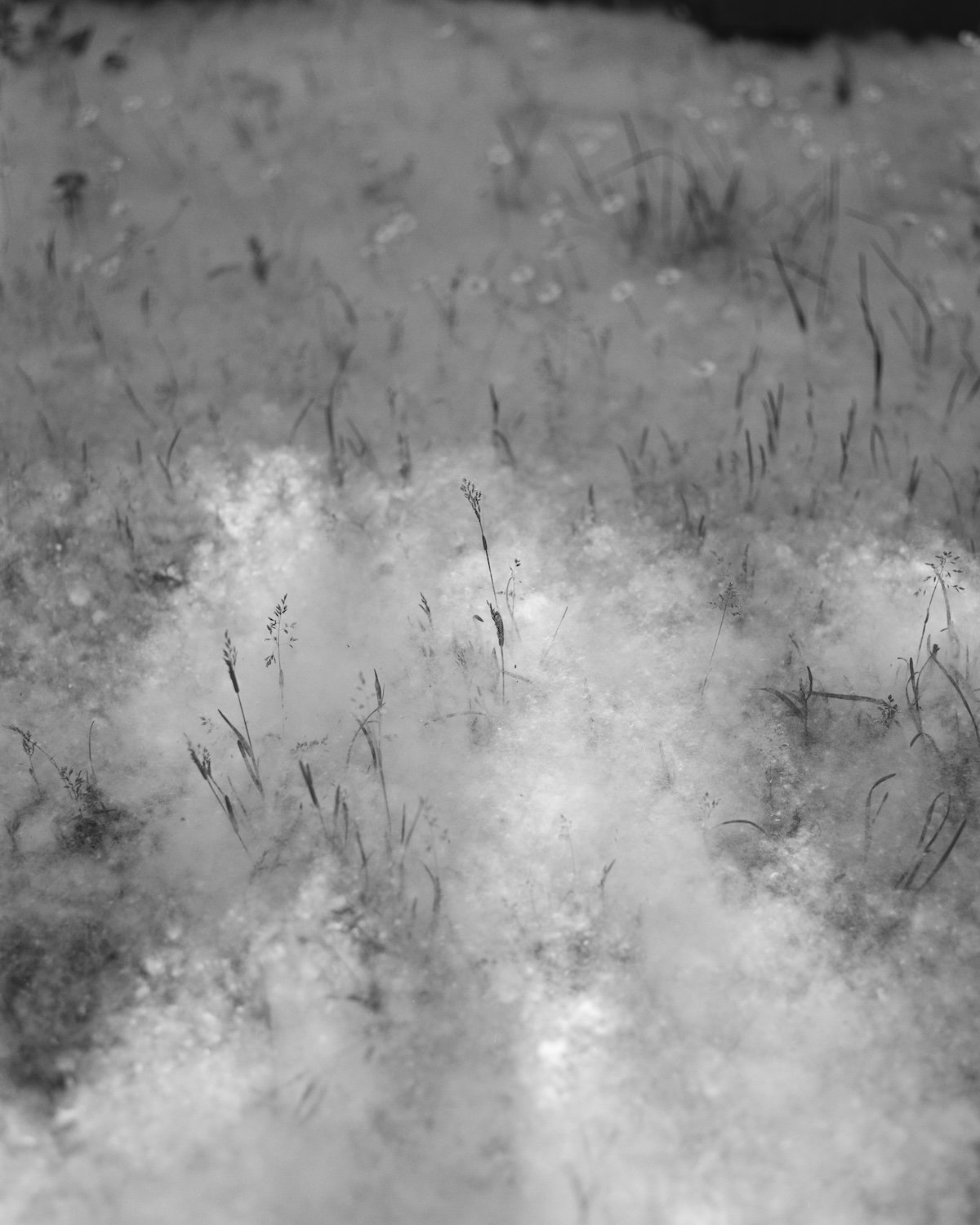
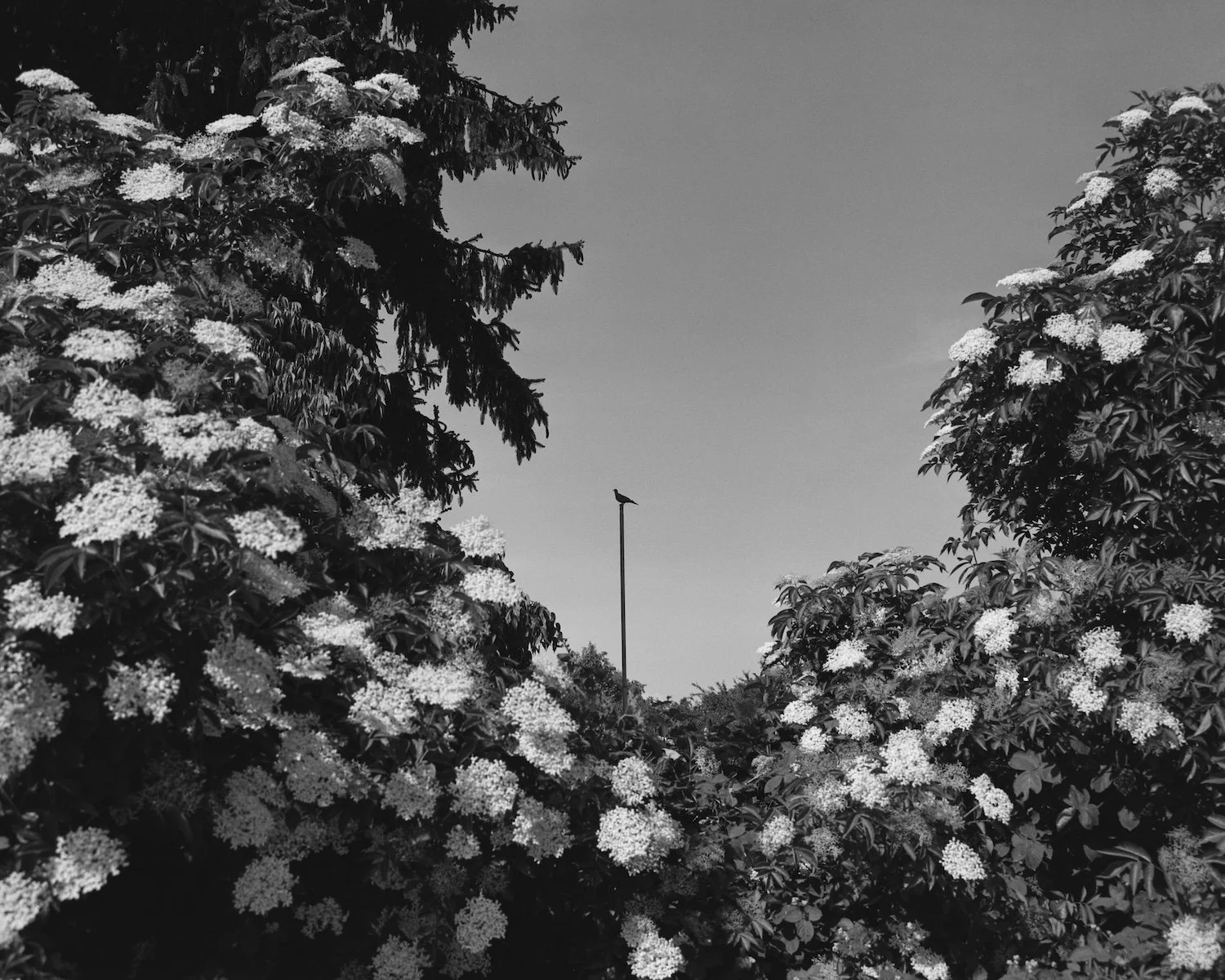
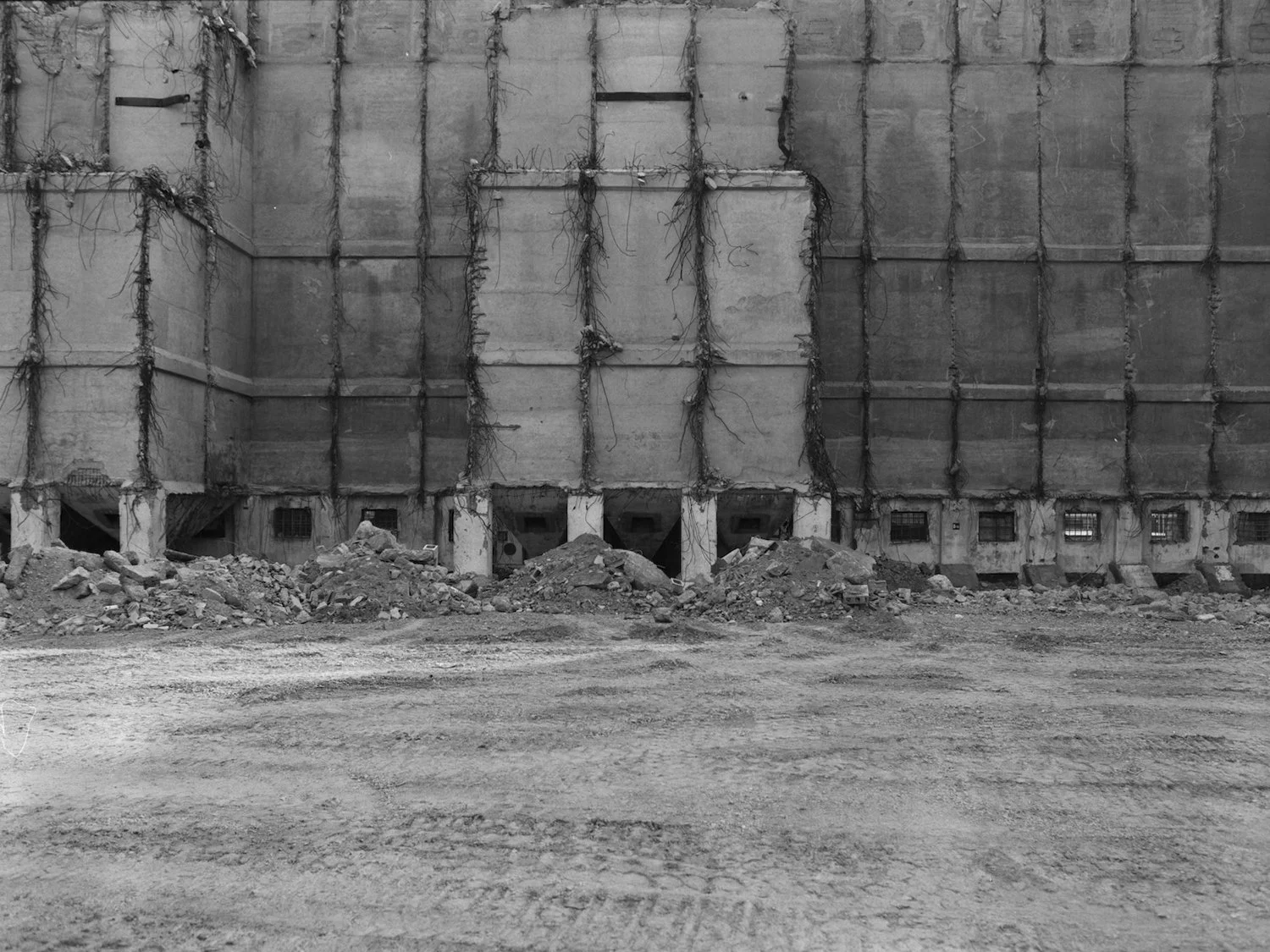
The work is a photographic approach to a concealed network within postwar European history. The images explore how ideology and memory sediment within landscapes, and how places that appear ordinary today once formed part of an almost invisible infrastructure of political escape.